
How an Encrypted Email Looks to Senders and Recipients

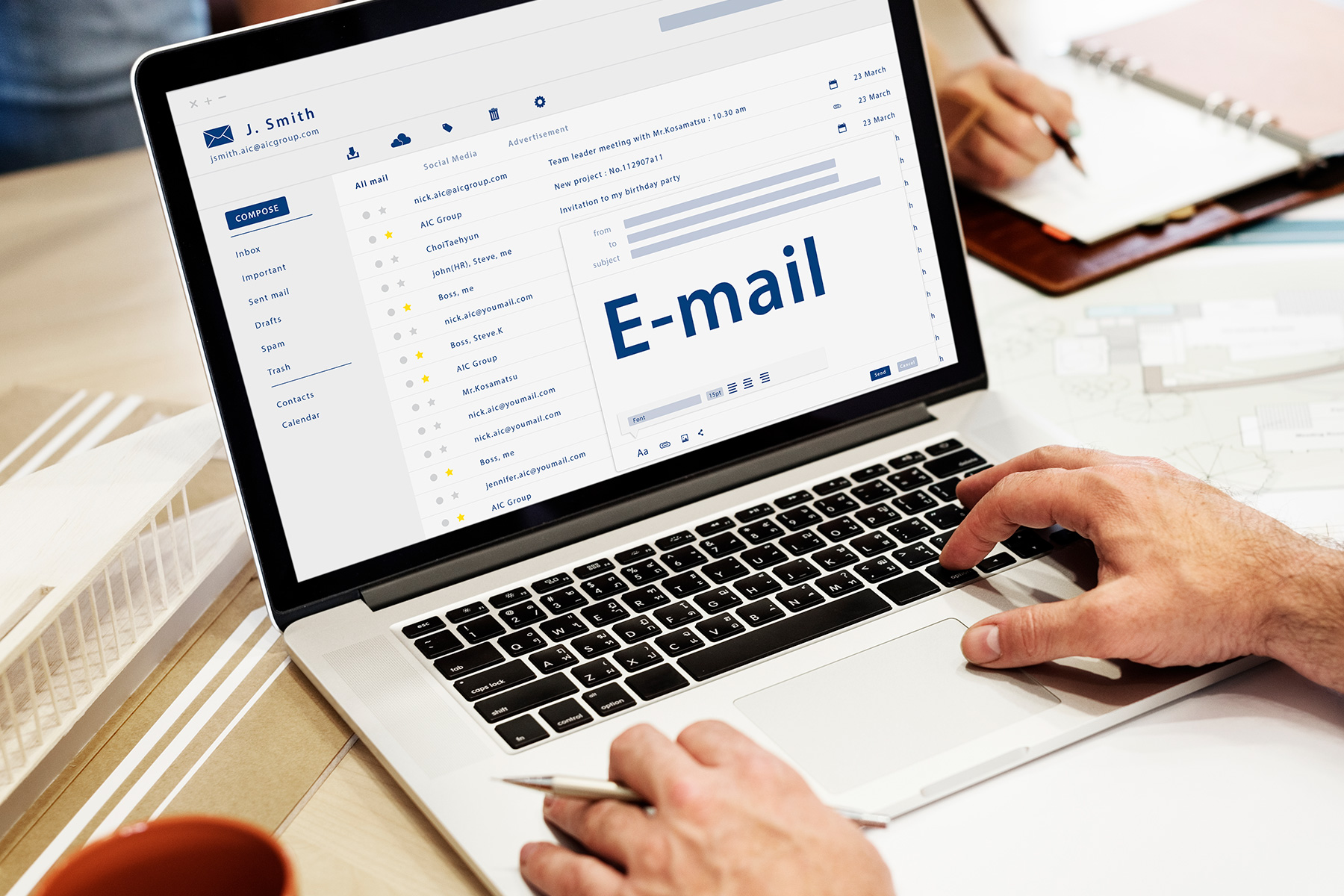
An encrypted email can sound abstract. If you run a practice or a small business, you want to know how it looks and how hard it is to use. You care about whether patients, clients, and staff can handle it without getting stuck.

The good news is that an encrypted email often looks very familiar. Your inbox still shows senders and subjects. You still click to open messages. The main change lies in how the content is protected behind the scenes.

If you want a wider view of why people use encrypted email in the first place, you can visit the overview at https//mailhippo.com/encrypted-email

Quick answer

To you as the sender, an encrypted email usually looks like a normal message with a small lock icon or a “secure” label. You still type your email and press send. Your email tool quietly protects the content as it leaves.

To the recipient, an encrypted email may appear in several ways. It might open inside their regular inbox window. It might open in a secure web page after they click a link. Sometimes they enter a short code to unlock it.

On the surface, much of it looks routine. The real difference is that the text and files are scrambled so that anyone not meant to read them cannot. If you want a deeper feel for what “encrypted” itself means, the guide at https//mailhippo.com/blog/what-does-it-mean-to-be-encrypted explains that idea in plain language.

What an encrypted email may look like in your inbox

Subject line and sender details

When an encrypted email arrives, your inbox usually still shows the sender’s name and the subject line. You might see “Dr. Patel,” “Accounts,” or a company name, just like any other message. The date and time look the same, too.

Many systems keep the subject line readable. That lets your inbox group messages and show short previews. So you may see a subject such as “Your appointment follow-up” or “Statement for March”.

For private topics, it helps to keep subjects simple and neutral. Treat the subject as a label, not the full story. Save real detail for the protected body of the email.

Security labels, banners, or lock icons

Next to the sender or subject, you may see small signs that the message is protected. Common signs include a lock icon, the word “Encrypted”, or a banner that says the email is secure or confidential.

Different tools use different designs. In some, the lock sits in the subject row. In others, it appears when you open the message. Business platforms sometimes add colored bars across the top with wording such as “This message is protected”.

These signs are visual hints only. The real protection comes from the way the message body and attachments are stored and transferred. Still, those icons and labels help staff spot messages that carry extra privacy.

Message text that opens in a protected view

In some systems, the message opens inside your normal email window, yet the tool treats it as protected in the background. You get a short note at the top indicating whether the message is encrypted or view-only.

In other setups, the email in your inbox is only a shell. It may contain a brief intro and a button such as “Read secure message”. When you click that button, your browser opens a secure page where the real content sits.

Both styles are common. The key point is that the most sensitive parts often do not sit as plain text in your normal inbox view. They sit behind a layer that first checks who you are.

What an encrypted email may look like after you open it

Inline message view

With an inline view, you click the email, and the content appears directly in your email app. At first glance, it feels just like a normal message. You may notice a small lock icon or a notice bar at the top.

Behind the scenes, your app may be using a private key or a stored certificate to decrypt the content. That work happens so fast that you do not see it. You read and reply as usual.

This style is common within a single company or practice, where everyone uses the same email platform and IT team.

Web portal view

With a portal view, the email in your inbox acts more like a ticket than a full message. It often contains a short line of text and a button such as “Open secure message”.

Clicking that button takes you to a secure website. You sign in or confirm your identity, then the full message appears in the browser. You might see a logo, a message window, and buttons for reply and download.

Many health and legal services use this portal style. It lets them share encrypted email with patients and clients who use various email providers.

One-time passcode view

Some systems add a one-time passcode step. The email you receive might say that a code has been sent via text message, or that you need to request one.

You type that code into the secure page or a pop-up window. The system checks the code and then shows the message. The code expires after use, so someone who steals the email later cannot open it.

This extra layer can feel like online banking. It adds one more short step, yet it keeps private details safer from someone who only has the email itself.

How encrypted attachments may appear

Standard file attachments

In many tools, encrypted attachments still look like normal file icons in the message. You see PDF, Word, image, or ZIP icons in the usual spot.

The difference is in how they open. When you click, the system may check your access again or open the file inside a protected viewer. Behind the scenes, the file travels and sits on servers in encrypted form.

From your point of view, you still click a file name to read its contents. The tool adds more protection on the path and in storage.

Protected download links

Some systems do not attach the actual file. Instead, they add a button or link such as “Download secure file” or “View document”.

That link points to a secure portal—the portal controls who can download, how many times, and for how long. If someone forwards the email, the link will not work for the new person unless they pass the same checks.

This style suits large reports, X-rays, or bundles of documents. It keeps heavy and sensitive files out of normal mailboxes.

Password-protected files

You may also see password-protected attachments. These are files that ask for a password when you open them in Word, Excel, or a PDF reader.

The email itself can be encrypted or not. The file carries its own lock. Often, the sender shares the password in a separate message, over the phone, or by text.

Password-protected files can serve as a backup when a fully encrypted email is not in place. For a deeper look at this method, you can read https//mailhippo.com/blog/password-protected-file-sharing-explained.

Common signs that an email is encrypted

Many tools use a small padlock symbol to show that an email is protected. You might see it next to the subject, inside the open message, or near the address line when you compose.

You may see words such as “Encrypted message”, “Secure email”, or “Protected” in a banner at the top. Business platforms sometimes add a short note stating that replies will also remain encrypted.

When you receive an email notice telling you to click through to a secure portal, that is another strong sign. The short notice usually holds no sensitive details. The real content sits safely on the other side of the login.

Signs that can cause confusion

Secure email banners

Some spam filters add banners that say a message has been scanned or passed security checks. These banners do not always mean the message is encrypted. They may report that a virus scan ran.

Look for wording that talks about “encrypted” or “protected content”, not just “scanned” or “checked”. If a banner seems vague, it may relate only to spam and malware, not to privacy.

Confidential mode notices

Some email services have a “confidential” mode. These messages can expire or be blocked from printing and forwarding. In many cases, the provider can still read the content because it is stored on their own servers.

This mode gives some control over how long a message lives. It does not always match a fully end-to-end encrypted email. The label can make people think the content has stronger protection than it really has.

Password-protected attachments

A password-protected file can give a sense of security even when the email itself is plain. The inbox view and subject line may still reveal a lot. Attackers who steal the mailbox still see who sent what, even if they cannot open the file.

Password locks help at the file level. They do not replace encryption for the email body. Many teams use both together for important documents.

Secure links sent by email

You may receive emails that contain only a link, such as “View your secure document”. The email itself is simple text, not encrypted. The protection lives on the web page the link points to.

This pattern is common for pay stubs, lab results, and large files. It is a valid approach when the portal is well designed. It can confuse people who expect the email itself to look special.

Encrypted email in Gmail

In Gmail, an encrypted email can appear in a few ways. Messages that use standard transport protection may show a small lock in the details panel. Some business setups add extra labels such as “Confidential” or “Internal only”.

Gmail has a confidential mode that can limit forwarding and set expiry dates. That mode does not always mean full end-to-end encryption. The content still lives on Google servers in a form they can process.

When a third-party secure email service sends a portal link, the message in Gmail will often look like a short note with a button. Clicking that button moves you into the secure view in your browser.

Encrypted email in Outlook

In Outlook, encrypted messages often show a lock icon in the message list or next to the sender. When you open the email, you might see a bar stating that the message is encrypted or has restricted rights.

Some Outlook messages open in a special reading pane that blocks copying or forwarding. Others direct you to sign in via a web browser, especially when the sender is outside your organization.

If your company uses S or MIME, Outlook may handle everything inside the app. It quietly uses stored certificates to decrypt messages that arrive for you.

Encrypted email on mobile devices

On phones and tablets, encrypted email may show small lock icons next to subjects or inside open messages. Mobile apps often keep the look very simple because of limited screen space.

When a portal is used, tapping the button in the email opens the secure page in your mobile browser. You then sign in and read the message there. Many portals adapt to small screens, so patients and clients can read on a phone with no trouble.

Some older mobile apps do not directly support certain encryption methods. In those cases, the portal method is often easier for both sides than managing keys on the device.

What parts of the message may still look normal

Sender and recipient addresses

Even when the content is encrypted, the From and To lines usually look the same. They show who sent the message and who received it. Email systems need that data to route messages.

Anyone with access to the inbox or server logs can still see those addresses. An encrypted email keeps the words private, yet it does not hide the basic relationships between people.

Subject line

Subjects often remain in plain text, since inboxes use them for sorting and alerts. You will still see titles such as “Invoice” or “Lab results ready” in your list.

For sensitive matters, keep subjects short and general. You can write “Your report” instead of listing full names or details. The encrypted body can carry the rest.

Time and routing details

Dates, times, and routing hops tend to stay visible in message headers. These fields help support teams track delays and fix delivery issues.

Most users never look at this data, yet it exists. For high-level audits, it shows patterns such as peak times or heavy contact between two parties. It does not reveal the actual content of messages.

Why does an encrypted email look different from one service to another

Each email provider and secure message service designs its own screens. Some keep everything inside the email app. Others rely on web portals. Some show big colorful banners. Others keep signs small and subtle.

Your role and device shape the view as well. Staff on company laptops may see full inline views. Patients on personal phones may see notice emails with simple links.

Because of this variety, it helps to focus on the common signs. Lock icons, clear “Encrypted” labels, and portal links that ask you to sign in are all strong hints that extra protection is in use.

What to do if you are not sure whether a message is encrypted

If you feel unsure about a message, start with the small visual signs. Look for locks, labels, or banners that mention encryption or secure content. Check whether the email sends you to a secure page before you see any private details.

You can ask your IT support or provider to send you a test encrypted email. They can walk you through how it looks in your own tools. A five-minute walkthrough often removes a lot of doubt.

For messages that carry very sensitive data, you can agree on simple rules with your team. For example, you might always send those through a known secure portal with a clear brand and login page.

Common questions

What does an encrypted email look like?

An encrypted email in your inbox usually looks like a normal message with extra signs. You still see the sender, subject, and time. You may see a lock icon or a banner that says the message is protected.

When you open it, you might read it inside your email app, or you might click through to a secure web page. In both cases, the content appears only after the system verifies your identity.

Does an encrypted email change the subject line?

In most systems, no. The subject line stays readable so that inboxes can sort and display it. Encryption normally focuses on the message body and attachments.

So the subject still needs care. Avoid full names, ID numbers, and diagnoses in that field. Place those details in the body instead, where encryption can help.

Do encrypted attachments look different?

Encrypted attachments often look like normal file icons. The file names and types appear as usual. The difference lies in what happens when you click.

Some tools open the file in a secure viewer or download it only after a quick access check. Until then, the file is stored in encrypted form and cannot be read directly on the server.

Can a secure email look the same as an encrypted email?

Secure email and encrypted email sometimes use the same screens and icons. A message can be part of a secure email system yet still travel without full content encryption. In other cases, a truly encrypted email may show only a simple lock.

The labels alone do not always tell the whole story. That is why many people look at the actual method in use, not only the word “secure”. If you run a practice or firm, your IT partner can explain which style your setup uses today.

Read next

If you want to understand the idea of “encrypted” beyond email, the guide at https//mailhippo.com/blog/what-does-it-mean-to-be-encrypted gives a clear, friendly overview.

To learn how to send this kind of message yourself, step by step, you can read https//mailhippo.com/blog/how-to-encrypt-an-email.

For files that need their own lock, even outside email, see https://mailhippo.com/blog/password-protected-file-sharing-explained. That article explains password-protected file sharing in simple terms.

How to Encrypt an Email in Outlook via the Subject Line

how to encrypt email in outlook subject line guide featured image

🔑 Key Takeaways

  • Outlook doesn't scan subjects; an Exchange mail flow rule handles the outbound encryption action.
  • The tenant needs Business Standard, Premium, or Enterprise; other plans block the encryption action.
  • Bracketed tags like [secure] beat bare words because they rarely fire on accidental subject lines.
  • The Encrypt button and the subject-line rule coexist and use the same Purview backend end to end.
  • Silent typos ship PHI unencrypted; pair the rule with a body-scanning DLP fallback for safety.

The subject-line encryption trigger in Outlook is not a client feature. It is an Exchange mail flow rule that runs on the tenant side. Outlook itself sends whatever the user types. The encryption happens after the message leaves the client and hits the server rule.

This guide covers the exact setup, the plan requirements, the keyword patterns that work best, and the failure modes to watch for. For practices without Microsoft 365 plans that include Purview Message Encryption, a dedicated encrypted email service handles the same workflow without any tenant configuration.

The intent is a working setup, not a theoretical option. Administrators can follow the steps and verify each item.

The Trigger Lives on Exchange, Not in Outlook Itself

Outlook desktop, Outlook on the Web, and Outlook mobile do not scan the subject line for a keyword. The client sends whatever the user typed to the Exchange side. The rule that inspects the subject and applies encryption runs on Exchange after the client hands off the message.

That architecture matters for two reasons. First, the same rule applies regardless of which Outlook client the user composed in. Second, the client cannot report whether the rule fired, so verification requires checking the sent side or the message trace log.

The rule is called a mail flow rule in Exchange Online and a transport rule in on-premises Exchange. Both terms describe the same mechanism. Administrators create the rule once and it applies tenant-wide until disabled.

The Microsoft documentation on mail flow rules covers the underlying framework. The specific encryption action requires a plan that includes Purview Message Encryption on the tenant.

Verify the Plan Includes Purview Message Encryption

Before creating the mail flow rule, verify the tenant is on a Microsoft 365 plan that includes Purview Message Encryption. Business Standard, Business Premium, and several Enterprise plans qualify on current SKUs. Basic Business, standalone Exchange Plan 1, and personal Microsoft 365 subscriptions do not.

Check plan eligibility in the Microsoft 365 admin center under Licenses. Cross-reference against the Microsoft product feature matrix, which lists Purview Message Encryption entitlements per plan. The matrix updates when Microsoft changes plan structure, so check it at rule creation time rather than relying on memory.

Attempting to save a mail flow rule with an encryption action on an ineligible plan produces an error pointing to the license requirement. That prevents the rule from silently failing at runtime but does not help staff who assumed encryption was working before the error appeared.

Practices on ineligible plans have two paths. Add the required license across seats through Microsoft, or use a dedicated encrypted email service that provides equivalent functionality without a tenant plan change.

how to encrypt email in outlook subject line in article illustration one

Create the Mail Flow Rule in Six Steps

The rule creation process takes about five minutes for an administrator familiar with the Exchange admin center. The screens have shifted several times over the last few years but the underlying flow stays consistent.

Follow these steps:

  • Sign in to the Microsoft 365 admin center and open the Exchange admin center.
  • Navigate to Mail flow, then Rules.
  • Click the plus icon and select “Apply Office 365 Message Encryption and rights protection to messages”.
  • Give the rule a descriptive name such as “Subject-line encryption trigger”.
  • Set the condition to “The subject or body includes any of these words” and enter your chosen keywords such as secure, encrypt, [secure], and [encrypt].
  • Choose the Encrypt template, save the rule, and enable it.

Some administrators tighten the condition to “The subject includes any of these words” instead of the body match. That prevents accidental encryption on messages that mention the keyword in the body but are not intended to trigger the rule.

Pick Keyword Patterns That Reduce False Positives

The specific keyword pattern matters more than most administrators expect. A bare word like secure fires on legitimate business subjects such as “Secure area badge renewal” or “Please secure the meeting room”. Bracketed tags reduce that noise significantly.

Common patterns in practice fall into three categories. Bare words like secure or encrypt are easy for staff to remember but produce more false positives. Bracketed tags like [secure] or [encrypt] rarely fire by accident because square brackets are uncommon in normal subject lines.

Custom identifiers like [PHI-SEND] or [ENC-HIPAA] work best for practices with formal compliance training. They eliminate false positives entirely but require staff to memorize the exact string.

A rule that fires on multiple variants catches loose staff conventions. Combine the bare word and the bracketed tag in one rule so both work. Document the accepted variants in the staff handbook so new hires learn the convention from day one.

Example A 30-seat dermatology practice set up a mail flow rule that fires on the keywords secure and [secure]. During week one of rollout, message trace logs showed 12 outbound messages containing PHI where the sender typed secur (missing the e) and the rule did not match. The security officer added a DLP rule that scans the body for date-of-birth patterns and applies Encrypt as a fallback. Over the next month, the DLP safety net caught 34 additional sends that the subject-line rule missed.

Comparison of Subject Line Trigger vs Encrypt Button

Both the subject-line trigger and the Encrypt button on the Options ribbon use the same Purview Message Encryption backend. The differences are workflow and enforcement.

AspectSubject line triggerEncrypt button
Where the decision happensServer side via mail flow ruleClient side per message
Failure modeSilent when keyword mistypedNone when user clicks the button
Recipient experiencePurview portal or inlinePurview portal or inline
Setup effortOne mail flow rule per tenantNone, feature is present on eligible plans
Works in Outlook mobileYes, subject travels with the messageYes, in newer mobile versions
Best forBulk staff conventionsIndividual sensitive sends

Most practices run both. Staff who prefer the button use it. Staff who prefer the keyword use that. High-risk lists get default-encrypt coverage through a targeted mail flow rule that fires on the list address rather than the subject.

how to encrypt email in outlook subject line in article illustration two

Test the Rule Before Announcing It

Every new mail flow rule needs testing before staff-wide rollout. The test confirms the rule fires on the intended pattern, produces the expected recipient experience, and does not accidentally encrypt sends that should stay plain.

Send a test message from a mailbox covered by the rule to an external address with the trigger keyword in the subject. Verify the recipient receives a Purview portal notification rather than a plain send. Sign in as the recipient and read the message inside the portal.

Repeat with each keyword variant and each major recipient domain including Gmail, Outlook.com, and Yahoo. Note any variation in the portal experience. Some recipients need to request a one-time passcode. Others sign in with their existing provider account.

Use Exchange message trace under the mail flow admin panel to confirm the rule fired on each test message. The trace shows the rule name and action applied to each message, which is the audit evidence during a compliance review.

Silent Failures Are the Biggest Operational Risk

Subject-line triggers fail silently when the pattern does not match. A typo like “secre” or missing brackets on a tag-style trigger produces a plain send with no error, no warning, and no notification to the sender.

The failure mode is dangerous because staff assume the rule fired based on their intent, not their actual keystrokes. A busy front desk sending 40 messages in a shift can produce several silent failures without anyone noticing until an audit or a breach investigation surfaces the pattern.

Compliance-focused organizations pair the subject-line rule with a data loss prevention rule that scans the body for patient data patterns and applies encryption as a safety net. When the subject-line rule misses, the DLP rule catches. When both rules fire, only one encryption action applies to the message.

The Microsoft DLP documentation covers the pattern configuration. Combining DLP with the subject-line trigger produces a stronger posture than either control alone.

💡Pro Tip: Pair every subject rule with a DLP safety netSilent typos are the single biggest risk of subject-line triggers. Add a DLP rule that inspects the message body for PHI patterns like date of birth, medical record numbers, or ICD codes and applies the same Encrypt action. The two rules coexist without double-encrypting. Test with a deliberately misspelled subject to a personal address and confirm the DLP fallback fires. Document both rules in the risk assessment so auditors see the compensating control.

Strip the Trigger Tag from the Outbound Subject

The subject line usually travels in cleartext even when the body is encrypted. A trigger word like [secure] or ENC: appears in the recipient inbox alongside the sender name, which reveals the sensitivity of the exchange before the recipient opens anything.

Practices that care about that leak add a second mail flow rule that strips the trigger tag from the outbound subject after encryption fires. The rule looks for the tag and rewrites the subject to remove it.

Order matters. The encryption rule needs to fire before the rewrite rule so the encryption action sees the tagged subject. Mail flow rule priority in the Exchange admin center controls the sequence.

Test the sequence after configuration to confirm the recipient sees the cleaned subject rather than the tag. A rewrite rule that fires before the encryption rule produces a plain send with a clean subject, which defeats the entire purpose.

When Practices Use a Dedicated Encrypted Email Service Instead

The subject-line trigger and the Encrypt button both require a Microsoft 365 plan that includes Purview Message Encryption. Practices on lower plan tiers or on non-Microsoft mail platforms need a different path.

A dedicated encrypted email service layers on top of the existing mailbox and applies encryption to every outbound message by default. There is no keyword to remember, no rule to maintain, and no risk of silent failure through a mistyped trigger.

Mailhippo is a secure email service that works with existing Outlook, Gmail, and Yahoo accounts, applies TLS and client-side encryption to every outbound message, and includes a business associate agreement in the base plan. One brief mention here for administrators evaluating options where the mail flow rule approach does not fit.

The tradeoff between native and dedicated tools usually comes down to license cost, IT staff bandwidth, and the acceptable friction on the recipient side. Both approaches produce a compliant HIPAA email flow when configured correctly.

Related Setup Steps to Verify After Rule Creation

The subject-line trigger is one piece of an encryption program. Several related controls determine whether the trigger produces the intended result end to end.

Verify each item before treating the rule as production ready:

  • The tenant plan actually includes Purview Message Encryption on every mailbox that will use the trigger.
  • The signed BAA with Microsoft covers Exchange Online for the tenant.
  • External recipients on major providers decrypt through the portal without extra setup.
  • Sent items shows a lock icon or encryption indicator on triggered messages.
  • A DLP rule provides backup coverage for sends that miss the subject-line pattern.
  • Staff training documents the exact keyword conventions.

Related reading on how to encrypt an email subject line generally covers the equivalent patterns for Google Workspace and dedicated services. The how to encrypt email in Outlook overview gives broader context on the encryption paths inside the Outlook client.

Healthcare practices building patient communication programs benefit from aligning the encryption layer with the broader site and intake experience. A healthcare marketing agency can help ensure the patient-facing site messaging matches the security posture staff execute on outbound Outlook mail.

What Does It Mean to Encrypt an Email?

Many people hear the phrase “encrypted email” and nod along. Deep down, they still wonder what that really means. If you run a practice or a small business, you want to know one thing. Does this keep my messages safer?

Encrypted email changes how your message is stored and moved. The text and files turn into protected data that only the right people can read. For a bigger overview of secure messaging, you can visit MailHippo’s main guide to encrypted email.

This article explains what encrypted email means in plain language, with no heavy tech talk.

A simple definition

An encrypted email is one in which the message content is scrambled by design. Your email software turns readable text into coded data before it leaves your device. Only someone with the right key or access can turn it back into clear text.

So, an encrypted email is not just “marked secure” in the subject line. The content itself has changed form. Anyone who steals a copy without the right key sees nonsense, not words.

That is the heart of the encrypted email’s meaning. The message still moves through mail servers. It still lands in an inbox or portal. The difference sits inside the body and files.

What makes an email encrypted

The message content is changed into protected data

When you send an encrypted email, your software encrypts the message body. This uses strong maths. The output looks like a block of random characters.

Mail servers carry that block from place to place. They do not see the original text. Staff with deep access to those systems see the same block.

This shift from clear text to coded data is what makes the email encrypted, not just private in a casual sense.

Only approved recipients can turn it back into readable text

For someone to read that coded block, they need the right key or login. Their email tool or secure portal holds that key. When they open the message, the tool turns the block back into normal text.

No key, no clear message. That holds for attackers who grab traffic on a network. It holds for most people inside your provider. It even holds for many admins on the mail servers.

You can think of the key as a digital version of a physical key. Many doors can exist. Only a matching key opens a given lock.

Attachments may be protected, too.

In many systems, encryption applies to attachments as well. Files such as X-rays, reports, and scans undergo the same process as the message body.

Those files then travel and rest on servers in encrypted form. Only when an approved reader opens or downloads them do they return to normal.

Some tools move files into a secure portal but still send an email notice. The link in that notice points to the encrypted files in the portal.

What an encrypted email looks like in practice

From your side, as the sender, an encrypted email often looks almost normal. You write your message, add recipients, attach any files, and click a “secure” or “encrypt” option.

Your software then applies encryption in the background. You might see a small lock icon or a label that shows the message will go out as protected. The rest feels like any other email you send.

From the recipient’s side, the experience depends on the system in use. In a standard email app with built-in support, they open the message and may enter a password or code once. In a portal setup, they click a link in a notice email, sign in, and read the message in a secure web page. If you want to see how that looks on screen, you can read MailHippo’s guide on what an encrypted email looks like.

What the recipient needs to read an encrypted message

To read an encrypted email, the recipient needs the right combination of identity and key. The details vary, yet the idea stays the same.

In some setups, their email app stores a private key or certificate. Logging into the account proves who they are. The app uses that private key to decrypt the message.

In portal-based tools, the person first proves their identity in the browser. That might mean a password, a one-time code, or a known phone number. The portal then uses its internal keys to display the message in plain text to that user only.

In both cases, someone who cannot pass this identity step does not see the message. They may see the notice email or the scrambled block, but not the real content.

What parts of an email can be protected

Message body

The body is the main text you type. In an encrypted email, this part is directly protected. The body is encrypted before it leaves your device.

People who intercept the email without the right key cannot read this text. They see random characters instead of words. That helps for messages that hold names, dates of birth, diagnoses, and other personal data.

Attachments

Attachments often carry the most sensitive details. These include scans, lab results, invoices, and HR records. Many encrypted email tools protect these files as well as the body.

The files then move between systems as encrypted blobs. The recipient’s side only unlocks them when the right person opens or downloads them.

Files sent with the message

Sometimes you do not attach files in the classic sense. You send links to files that sit in a secure portal or drive. Many modern tools can encrypt the link itself or gate access to the linked file.

In those models, the email becomes the notice. The content lives in a protected store. The encrypted link, along with portal controls, determines who can fetch the file.

What parts may still stay visible?

Subject line

Mail systems use the subject line for sorting, searching, and alerts. For this reason, many encryption tools leave the subject in plain text. The subject may still show up on phone lock screens and in server logs.

So even when email content is encrypted, a subject such as “Full medical report for John Smith” can leak more than you want. Short, neutral subjects are better suited to private topics.

Sender and recipient details

Mail servers need to know who sends and who receives each message. Addresses in the From and To fields stay outside the encrypted content. They remain visible.

This means people can still see connections between staff, patients, clients, and partners. They cannot read the content from that data alone, yet they can trace patterns.

Time and routing data

Each message carries dates, times, and routing stamps. Systems use these fields to move email and to diagnose problems. Encryption of the body does not hide these pieces.

Someone with deep access can see when you sent messages, how often, and through which servers. For most teams, that is not a major concern, yet it matters for very high-risk cases.

An encrypted email is compared with a regular email.

A regular email travels in a much more open way. Parts of the journey might use a secure link, yet the content can sit in plain text on mail servers. Staff and attackers with enough access can read it word for word.

Encrypted email changes that story. The body and often the attachments travel and rest in coded form. Only the right key or portal access turns them back into readable text.

Both still use the same email addresses and general tools. The gain sits inside. Regular email offers ease. Encrypted email offers privacy that matches modern risk.

Encrypted email compared with password-protected files

Many people are familiar with password-protected PDFs or documents. They send a normal email, attach a locked file, and share the password in some way. That method protects the file, not the message body.

An encrypted email can protect both the body and the attachments. The whole message becomes a protected unit. That reduces the chance that someone reads the text around the file and guesses what is inside.

Password-protected files still have a place. They help when you move a file through systems that do not support encrypted email. For many teams, the best setup uses both methods where they fit best. MailHippo’s guide on password-protected file sharing covers that topic in more detail.

Common types of encrypted email

TLS

TLS protects the link between mail servers. When two servers agree on TLS, the data that flows between them is encrypted in transit. Attackers on shared networks cannot read it in plain form.

TLS does not always encrypt stored content. After delivery, the email might sit on a server in clear text. Many platforms use TLS by default because it helps a lot with minimal user effort.

End-to-end encryption

End-to-end encryption protects the message from the sender’s device to the recipient’s device. Servers in the middle see only encrypted blocks.

Only the sender and the intended reader hold keys that open the content. This model offers strong privacy for sensitive emails, such as health or legal messages.

PGP

PGP, or Pretty Good Privacy, uses public and private key pairs. People share their public keys so others can send them encrypted emails. They keep their private keys secret.

The sender’s tool uses the public key to encrypt the content. The recipient’s private key decrypts it. Classic PGP can feel technical. Some services hide the complex parts and present a simple screen.

S or MIME

S or MIME uses digital certificates to link keys to people or roles. Many business and health systems rely on it inside Outlook and similar tools.

The sender uses a recipient’s certificate to encrypt an email. The recipient’s mail client uses a private key to read it. S/MIME can add digital signatures that prove who sent the message and that nobody changed it in transit.

Why do people use encrypted email

Privacy

More people care about who can read their messages. Regular email leaves content open to more systems and staff. Encrypted email reduces those extra eyes.

This matters for simple personal chats, travel plans, and ID scans. It matters even more for health and money details.

Work messages

In a practice or office, email carries quotes, invoices, HR notes, and strategy. A single mailbox breach can expose years of history.

Encrypted email turns those records into a harder target. Attackers who steal a store of messages encounter walls of scrambled data rather than neat text.

Sensitive documents

Documents often carry the biggest risk. One misdirected email can send a full report to the wrong place. One stolen backup can expose thousands of files.

Encrypted email protects these files during sending and in many storage setups. It pairs well with portals and strict file access rules.

Regulated data

Health, legal, and finance teams handle data subject to strict rules. Many laws and contracts require strong protection when data is sent.

Encrypted email helps meet those demands. It shows that you treat regulated data with care when it leaves your systems.

What encrypted email does not promise

It does not hide every detail

An encrypted email protects its content and often its attachments. It does not always hide subject lines, addresses, or timing data. People can still see that a message exists and who sent it.

Designing neutral subjects and short recipient lists still matters. These habits work with encryption, not against it.

It does not fix weak passwords.

If someone steals a user’s password, they can log in and open encrypted messages just like the real user. Encryption does not fix that.

Strong passwords, multi-factor login, and careful habits remain important. Encryption adds a layer. It does not replace basic account safety.

It does not stop every security threat.

Malware on a device can read data after decryption. Phishing emails can trick people into sharing login details. Human error can cause a message to be sent to the wrong person.

Encrypted email reduces damage from many attacks. It cannot block everyone. Training and simple checks still play a big part.

How to tell if an email is encrypted

Many email tools mark encrypted messages with a lock icon or a short label. You may see this near the address line or in message details. Some show different lock styles for different levels of protection.

Portal-based systems send a plain notice email with a link. The notice itself holds no private content. The real encrypted message sits behind the link in a secure page.

If you want to see clear examples, you can read MailHippo’s guide on what an encrypted email looks like. That guide includes practical views and simple tips.

Common questions

What does an encrypted email mean?

An encrypted email means the message content has been turned into coded data that only certain people can read. The body and often the files no longer sit in plain text on mail servers.

The goal is to protect privacy and cut the impact of leaks. It changes email from a postcard-style tool into something closer to a locked envelope.

Does an encrypted email protect attachments?

In most modern systems, yes. Encrypted email tools protect both the body and attachments. The files travel and rest in encrypted form and are opened only to approved readers.

Some tools move files into secure portals and send links instead. In both cases, the idea stays the same. Files sit behind a layer of protection, not wide open in every mailbox.

Can an encrypted email be forwarded?

People can forward almost any email. An encrypted email does not always give full access to new readers.

Many systems tie the encrypted content to the original recipient accounts. A forward sends only a link or a shell. New readers still need the right login or key. If someone copies text from a decrypted view into a new plain email, that new message will not stay protected.

Is an encrypted email safer than a regular email?

For content privacy, yes. Encrypted email protects message bodies and files from many more risks than regular email. Attackers who steal traffic or stored messages gain far less.

You still need strong passwords, updates, and training. When you add those pieces, encrypted email becomes a strong part of a safer setup.

Read next

If you want a broader view of this topic, you can read MailHippo’s main guide on what encrypted email is. It links the idea to everyday tasks in a practice or office.

To see real screen examples of protected messages, open What Does an Encrypted Email Look Like. That article shows how encrypted email appears in common tools.

For deeper control over files themselves, explore Password-Protected File Sharing Explained. It walks through safe ways to share documents alongside encrypted email.

How to Send Encrypted Email from Yahoo Mail

how to send encrypted email yahoo guide featured image

🔑 Key Takeaways

  • Yahoo Mail has no native encryption button in webmail or the app, only TLS in transit.
  • The three real options are S/MIME desktop, an OpenPGP browser extension, or a hosted service.
  • Yahoo Mail is not HIPAA compliant; the provider will not sign a BAA on any tier.
  • Thunderbird plus S/MIME works, but Yahoo webmail cannot read the encrypted messages back.
  • A dedicated encrypted service keeps the Yahoo address and ships a BAA in the base plan.

Yahoo Mail carries no native encryption button in the web app or the mobile client. That surprises users who assume every major provider offers a one-click encrypt option today. Yahoo does not, and the service is not HIPAA compliant for regulated senders on its own.

This guide covers the three practical ways to send an encrypted email from a Yahoo address: a desktop client with S/MIME, an OpenPGP browser extension paired with GnuPG, or a dedicated encrypted email service that layers on top of Yahoo Mail with a signed business associate agreement.

The intent is a working setup, not a theoretical option. Each section covers the real steps and the friction users hit when they try to make Yahoo carry encrypted mail at any volume.

Yahoo Mail Offers Transport Encryption and Nothing Else Natively

Yahoo Mail uses TLS for server-to-server delivery when the other side supports it. Yahoo also uses HTTPS for the browser session and app connections. Those two protections cover the wire.

The body itself sits in Yahoo storage in a form Yahoo can read. There is no client-side encryption, no S/MIME support in the web interface, and no OpenPGP integration in the compose window.

The Yahoo end-to-end encryption browser extension project announced years ago was quietly shelved before shipping to consumer users. Nothing replaced it. Free and paid Yahoo Mail accounts alike offer identical encryption capabilities today, which is to say only transport protection.

The HHS HIPAA security rule requires body-level encryption or another equivalent safeguard for messages containing electronic protected health information. TLS in transit alone does not meet the requirement without additional controls in the surrounding environment.

how to send encrypted email yahoo in article illustration one

Yahoo Mail Is Not HIPAA Compliant on Its Own

HIPAA compliance for a service that handles patient data requires a business associate agreement between the covered entity and the service provider. Yahoo does not offer a BAA for Yahoo Mail on any tier of the product.

That means a therapy office, dental practice, medical billing service, or any other covered entity cannot use a Yahoo address for clinical email even if the individual users take steps to encrypt outbound messages manually.

The correct path for a HIPAA-covered organization on Yahoo is migration to Google Workspace with the appropriate encryption controls, Microsoft 365 with Purview Message Encryption, or a dedicated encrypted email service that includes a BAA in the base plan.

Personal Yahoo addresses can still be used for non-clinical business correspondence with proper care, but the moment PHI enters the message flow, the practice needs a different platform.

Desktop Clients Add S/MIME Support to Yahoo Accounts

The first workaround for a Yahoo user who needs occasional encrypted sends is a desktop email client with S/MIME support. Thunderbird, Apple Mail on macOS and iOS, and older versions of Outlook all connect to Yahoo through IMAP and support certificate installation.

Set up the Yahoo account in the desktop client using IMAP settings and an app password generated from the Yahoo account security page. Obtain an S/MIME certificate from a public certificate authority like Sectigo, DigiCert, or Entrust.

Install the certificate in the client. Configure the client to sign and encrypt outgoing messages using the certificate. The recipient needs a corresponding certificate installed in their own client to decrypt.

The tradeoff is that Yahoo webmail cannot read the resulting encrypted messages. Staff moving between the desktop client and the web app see mixed results. This approach fits users who send encrypted mail rarely and can commit to the desktop workflow.

Example A two-therapist private practice uses a Yahoo Mail address inherited from years of personal use. The practice manager needs to send lab-adjacent notes to a psychiatrist about three patients per week. She installs Thunderbird, connects Yahoo through IMAP with an app password, and buys three Sectigo S/MIME certificates at $30 each. Within two hours the workflow runs, but the psychiatrist office cannot open messages because their certificate expired. The practice switches to a dedicated service with a BAA the following week and closes the compliance gap.

OpenPGP Browser Extensions Encrypt Inside Yahoo Webmail

OpenPGP browser extensions such as Mailvelope let a user encrypt messages inside the Yahoo webmail compose window without switching to a desktop client. Install the extension in Chrome or Firefox, then add the Yahoo Mail domain to its allowlist.

Generate an OpenPGP key pair through the extension. Share the public key with the intended recipients through a separate channel. Import their public keys into the extension so encryption to those addresses is possible.

When composing a message in Yahoo webmail with the extension active, click the extension icon to enter encrypted compose mode. Write the message and encrypt before sending. The message body arrives at Yahoo as a block of ciphertext.

Recipients decrypt using their own OpenPGP client such as GnuPG or a browser extension of their own. The GnuPG project documentation covers the general OpenPGP flow. This approach fits occasional one-to-one exchanges with technically capable recipients, not routine patient communication.

how to send encrypted email yahoo in article illustration two

Dedicated Encryption Services Layer on Top of Yahoo Mail

A dedicated encrypted email service is the lowest-friction option for a Yahoo user who needs encrypted mail regularly. The service acts as a delivery layer that receives the outbound message, applies encryption, and delivers to the recipient through a portal or inline decryption.

Setup takes minutes rather than the hours certificate management demands. The user signs up for the service, connects the Yahoo address as an authorized sending mailbox, and composes through the service interface or a mobile app.

The service handles the business associate agreement, key management, and recipient decryption experience. There are no PGP keys to exchange, no certificates to install, and no desktop client to configure. The recipient sees a familiar portal-based experience.

Mailhippo is a secure email service designed for this profile. It works with existing Yahoo, Gmail, and Outlook accounts, applies encryption to every outbound message, and includes a business associate agreement in the base plan. One brief mention here in case a Yahoo user needs an encryption path that native Yahoo cannot provide.

Recipient Experience Depends on the Method

Each encryption approach produces a different recipient experience. Understanding the differences helps a practice pick the right method for its patient population or client base.

The main patterns are:

  • S/MIME messages show a padlock icon in the recipient client when they have the corresponding certificate installed.
  • OpenPGP messages arrive as blocks of ciphertext until the recipient decrypts through their own OpenPGP tool.
  • Portal-based encryption from a dedicated service delivers a notification with a link the recipient clicks to authenticate.
  • TLS-only sends look identical to any plain email once they land in the recipient inbox.

Portal-based delivery has the lowest recipient friction for one-off exchanges because the recipient does not need any prior setup. S/MIME and PGP require the recipient to have infrastructure in place. For a healthcare practice sending to patients on any device, portal delivery wins on usability.

💡Pro Tip: Migrate off Yahoo before layering encryptionEvery encryption workaround for Yahoo Mail leaves the underlying BAA gap intact. Yahoo will not sign a business associate agreement for Yahoo Mail on any tier. A therapy practice, dental office, or medical group handling PHI should treat encryption on Yahoo as a stopgap, not a solution. Plan the migration to Google Workspace, Microsoft 365, or a dedicated encrypted email service within thirty days. The address change costs less than a single OCR settlement.

Migrating Off Yahoo Mail for HIPAA Workflows

Practices still using Yahoo Mail for clinical correspondence should plan a migration off the platform. The lack of a business associate agreement makes Yahoo unsuitable for HIPAA workflows regardless of what encryption workaround the users apply.

The migration typically involves picking a new mail platform, moving the domain if the practice used a Yahoo custom domain, updating patient and vendor contact records, and setting up encryption on the new platform before turning off the Yahoo mailbox.

Google Workspace with S/MIME on eligible plans, Microsoft 365 with Purview Message Encryption on Business Premium or above, or a dedicated encrypted email service are the three main destinations. Cost, IT staff availability, and existing tool investments usually determine the choice.

Practices in healthcare benefit from aligning the migration with a broader look at patient communication channels. A healthcare marketing agency can help ensure the patient-facing site and intake flow match the encryption layer sitting behind the mailbox.

Common Yahoo Mail Encryption Mistakes to Avoid

Users setting up encrypted mail on a Yahoo address make several predictable mistakes. Each one produces a policy gap that surfaces during a compliance review or a breach investigation.

The most common are:

  • Assuming TLS in transit qualifies as HIPAA-compliant encryption on its own without a BAA.
  • Installing S/MIME in a desktop client and forgetting that Yahoo webmail cannot read the resulting encrypted messages.
  • Sharing OpenPGP public keys inside the encrypted messages themselves, which recipients cannot use to decrypt those same messages.
  • Using a personal Yahoo address for clinical correspondence when the practice has a HIPAA-covered mailbox available elsewhere.

The related guide on how encrypt email across major platforms covers the equivalent options in Outlook, Gmail, AOL, and GoDaddy Professional Email. That article gives the broader context Yahoo users need when picking a migration destination.

Verify the Encryption Actually Fired Before Trusting It

Every encryption method has a failure mode. S/MIME fails when the recipient certificate is missing or expired. OpenPGP fails when the wrong key is imported. Portal services fail when the sending mailbox loses authorization.

Verification steps that catch failure early include checking the Sent Items folder for a visible encryption indicator, sending a test message to a personal address on a different platform and confirming the portal or ciphertext appears, and reviewing service logs periodically for delivery failures.

A dedicated service usually reports encryption status back to the sender through a delivery confirmation. Desktop clients using S/MIME show a lock icon in the sent message. OpenPGP tools display a confirmation panel after successful encryption.

For a broader look at the security controls that pair with encrypted email in medical environments, see the guide on security features for healthcare websites. Encryption is one control among many, and verification is what makes it credible under audit.

What It Means to Encrypt an Email

You send emails all day. Some messages feel casual. Others hold patient details, money matters, or contracts. Those sensitive emails need more protection than a plain message offers.

Encrypting an email gives that extra layer. It turns readable text into scrambled data that only the right person can open. If you want the bigger picture of secure messaging, you can visit MailHippo’s main guide to encrypted email.

A plain language answer

To encrypt an email means to lock the content with digital math before it leaves your device. The message body and often the files no longer sit in plain text. They change into a block of data that looks like nonsense.

Only someone with the right digital key or secure login can turn that block back into normal words. Everyone else sees unreadable characters or cannot open the message at all.

So an encrypted email is not just “marked secure”. Its contents are actually scrambled. That is the key difference.

What changes when an email is encrypted

The message body becomes unreadable to outsiders

In a standard email, the body remains readable across multiple servers. Staff with enough access and attackers who breach those systems can see the text. That includes names, dates, prices, and notes.

In an encrypted email, the body is no longer in plain text during transit. It becomes scrambled data that only a matching key can open. Someone who steals a copy of that message gains almost nothing from the body.

This change matters most for messages that carry private or regulated details. The more sensitive the content, the more helpful this scrambling becomes.

Approved recipients can read it.

Encryption does not block everyone. It blocks the wrong people. The right person still reads the message with no heavy steps.

Their email app or secure portal holds the right key or access. When they open the message, the tool quietly unlocks the content in the background. The person sees clear text on the screen.

If they forward the encrypted email to a random address, the recipient often cannot read it. The message stays tied to approved readers only.

Attachments may be protected, too.

Many encrypted email tools protect both attachments and the body. Files such as X-rays, reports, and contracts travel in scrambled form.

Only when the approved reader opens or downloads those files do they return to normal. Until that moment, the files appear to other systems as meaningless data.

Some services store files in a secure portal and send a link instead of an attachment. That approach gives even more control over downloads and sharing.

What does email encryption do during sending

When you hit send on an encrypted email, your mail program goes through a few quick steps. You do not see them, yet they matter.

The program takes the message body and covered attachments. It passes them through an encryption process that uses digital keys. This changes the content into scrambled data.

The encrypted message then travels across the internet. Many providers add another layer called TLS between servers. That extra layer creates a secure tunnel for the trip. If you want a step-by-step view of this whole flow, you can read MailHippo’s guide on how email encryption works.

What the recipient sees when an email is encrypted

From the recipient’s perspective, a well-encrypted email looks simple. In many cases, it feels almost the same as a normal message.

In a standard email client, they may see a small lock icon or a label indicating the message is protected. They open it and, if needed, sign in or enter a short code. The email then shows in clear text.

In portal-based systems, the person receives a short-notice email. That notice has a link to a secure web page. They click, sign in, and read the message inside the portal. Replies can travel back through the same protected path.

In both cases, the tool handles the hard parts. Patients and clients do not need to learn about keys or math.

What email encryption does not hide

Subject line

Most systems do not encrypt the subject line. Inboxes and phones use it for sorting and previews. Logs and reports often store it in plain text.

For that reason, a detailed subject can leak more than you expect. A line listing a diagnosis, full name, or account number can reveal private information even when the body is encrypted.

Short, neutral subjects work better for sensitive topics. Put the real details in the body or in files where encryption can protect them.

Sender and recipient details

Email systems need to know who sends a message and who receives it. Those addresses sit outside the encrypted content. They remain visible on servers and in inbox views.

That means people can still see who talked to whom, and how often. Even if they cannot read the message body, they can map out relationships.

For many teams, this is fine. For some high-risk cases, it may matter. In those rare cases, a secure link or a separate channel can be a better fit than email. MailHippo’s guide on how to send a secure link offers ideas for that scenario.

Time stamps and routing details

Time and date fields stay visible too. So do routing details that show which servers handled the message. These pieces help mail systems move and sort messages.

Attackers who gain deep access can scan this data to see patterns. They cannot read content from it, yet they can spot spikes in sensitive traffic, such as heavy mail between a practice and a law firm.

Encryption focuses on content and files. It does not hide every trace that a message existed.

An encrypted email is compared with a regular email.

A regular email often behaves like a postcard. The content may pass through multiple systems in readable form. Older links can carry it in plain text over the network.

Anyone with enough access to a server or a network tap may read that content. That includes providers, rogue staff, and attackers who reach the right spot.

An encrypted email changes that picture. The body and attached files become scrambled data during the trip. Only approved readers see plain text. Others see noise, even if they steal stored copies.

Encrypted email compared with secure email.

Secure email is a broad idea. It covers spam filters, malware checks, strong passwords, and storage rules. Encryption can be one piece of that wider setup.

Encrypted email is more narrow. It explains how a single message is scrambled to protect its contents. A service can be “secure” in many ways yet still send some messages without strong encryption.

If you want a deep comparison between these terms, you can read MailHippo’s guide on secure and encrypted mail, titled “Secure Email vs Encrypted Email”, at https://mailhippo.com/blog/secure-email-vs-encrypted-email/

Common ways email gets encrypted

TLS

TLS, or Transport Layer Security, protects the path between mail servers. It creates a secure tunnel so that people on shared networks cannot easily read traffic.

When both sides support TLS, the body and attachments travel inside this protected link. This helps with café Wi‑Fi and other risky networks.

TLS does not always encrypt the message at rest on servers. For many teams, it acts as a first step, not the full answer. MailHippo’s article on TLS vs. end-to-end encryption for email explains that in more detail.

End-to-end encryption

End-to-end encryption protects a message from one user to another. Only the sender and the intended reader hold keys that can open the content.

Mail servers move the encrypted block but cannot read it. Providers that store the message see scrambled data, not clear text. This gives strong privacy for sensitive content.

Some tools use this model inside apps. Others use secure portals that hold the keys for each user account.

PGP

PGP, short for Pretty Good Privacy, is a long-used standard for encrypted email. Users create key pairs and share their public keys so others can send them protected messages.

The sender’s tool encrypts the message with the public key. The recipient’s private key unlocks it. Classic PGP can feel technical. Some modern services hide it behind simple screens.

S or MIME

S or MIME uses digital certificates to link keys to people or roles. Many firms and health systems use it with tools like Outlook.

The sender uses a recipient’s certificate to encrypt a message. The recipient’s mail program uses the matching private key to read it. S/MIME can add digital signatures that prove who sent the message and that nobody changed it in transit.

When an encrypted email is a good fit

Personal data

Messages that contain names, dates of birth, addresses, or ID numbers benefit greatly from encryption. A leak in this area can lead to fraud and stress for real people.

Encrypting these emails keeps that data out of easy reach. Even if attackers obtain copies of messages, they encounter scrambled text rather than plain records.

Business records

Quotes, invoices, payroll notes, and staff reviews all move through email. Many of these records would cause trouble if they appeared in public.

Encrypted email reduces that chance. It turns your message history into a harder target. Breaches still matter, yet they reveal far less.

Contracts and legal files

Contracts, settlement drafts, and legal advice deserve strong privacy. A small leak can hurt your position in talks or disputes.

Sending these documents in encrypted form protects both sides. It shows clients and partners that you take their interests seriously.

Healthcare and financial details

Health records and financial details top the risk list. Rules such as HIPAA and other privacy laws expect you to protect them in transit and at rest.

Encrypted email helps meet those expectations. It gives you a clear overview of how you handle medical notes, lab results, and account data when you send them.

When email encryption may not be enough

Email encryption does not stop someone who steals a password and logs in as a user. Once inside, that person can open encrypted messages as the real account holder would.

It does not block malware that records the screen or logs keystrokes. It does not fix sending to the wrong address or copying text into a plain email.

For very sensitive items such as master passwords or server keys, many teams move away from email. They use secure link tools or secret sharing instead. MailHippo’s guide on how to send a secure link covers that approach.

Common misunderstandings

Encrypted does not mean hidden from every risk

Some people think an encrypted email is safe no matter what happens. That view can lead to relaxed habits around passwords and devices.

Encryption protects content from many outside eyes. It does not remove the need for strong logins, updates, and staff training. Those layers still matter.

Encrypted does not always mean end-to-end.

A service might say it “encrypts email,” yet only protects traffic in transit with TLS. In that case, providers may still see plain text at rest on servers.

True end-to-end protection keeps content scrambled for almost everyone except the sender and the recipient. When you shop for tools, it helps to ask which model they use.

Encrypted does not always cover metadata.

As noted earlier, subject lines, addresses, and timing data often stay in plain form. People may still see who talked to whom and when.

That means you still need to be careful about how you write subjects and choose recipients. Encryption does not fix every design choice in an email.

How to tell whether an email is encrypted

Many mail tools show a lock icon or label when a message uses strong protection. You may see this near the address field or in message details.

With portal-based systems, you often receive a short-notice email that contains no private content. The real message lives behind a link in a secure page.

If you feel unsure, you can ask your IT partner or provider for a quick demo. They can show you a real encrypted message and point out how it looks on screen.

Common questions

What does encrypt mean in email?

To encrypt an email means to turn its contents into scrambled data that only approved readers can open. The process uses digital keys and strong math.

The goal is simple. Keep sensitive information private during sending and in storage on servers.

What does it mean when an email is encrypted?

When an email is encrypted, the body and often the files do not sit in plain text on the way to the recipient. They stay locked until a tool with the right key opens them.

Other systems that handle the message cannot read the content normally. That includes many providers and attackers who grab stored copies.

Can someone forward an encrypted email?

People can press forward on almost any email. With encrypted email, the result depends on the system.

Some tools keep the content tied to the original recipients. A forward sends only a link or a shell. New readers still need the right login or key. If someone copies text from a decrypted view into a new message, that new email may travel without protection.

Does encryption protect attachments?

In many modern tools, yes. Email encryption often covers both the body and attachments. The files travel and rest on servers in scrambled form.

Some setups use secure portals for files. In those cases, the email contains a link, and the portal hosts the real documents.

Read next

If you want a wider view of protected messages, you can read MailHippo’s guide on what encrypted email is. It links this idea to everyday use in practices and offices.

To compare different protection methods, such as TLS and end-to-end encryption, see “TLS vs. end-to-end encryption for email.” That guide keeps the language simple.

For very sensitive data that should not be sent via email at all, see how to send a secure link. That article shows safer ways to share private information online.

Email Encryption for Small Business Practical Buying Guide

email encryption for small business guide featured image

🔑 Key Takeaways

  • Small business email encryption hinges on three questions, not a fifty-row enterprise checklist.
  • Dedicated services run $5 to $15 per user monthly with the BAA baked into the base plan.
  • Setup fits an afternoon at ten seats; multi-day quotes signal the wrong buyer profile.
  • HIPAA needs a signed BAA, workforce training, audit review, and an incident response plan.
  • Recipient friction over thirty seconds kills adoption and pushes staff back to plain email.

Email encryption for small business owners is a shorter conversation than most vendor demos suggest. The buying decision hinges on three questions rather than a fifty-row feature comparison.

This guide covers those three questions, the pricing tiers that fit small business budgets, the setup steps that fit an afternoon, and the recipient experience that actually determines whether staff keep using the tool. For HIPAA-adjacent small businesses, a secure email service that includes the BAA in the base plan removes most of the friction.

Read the sections in order. Each one filters the shortlist.

Small Business Encryption Needs Are Different From Enterprise

Small businesses buy encryption to solve one problem, not to consolidate a security operations program. The one-problem framing changes the product shortlist.

A five-person medical practice sends PHI to patients and referring providers. A ten-person law firm sends privileged documents to clients and opposing counsel. A twenty-person accounting firm sends tax filings to clients and payroll data to state agencies.

Each case has a well-defined sender group, a well-defined recipient audience, and a specific compliance requirement. None of the three needs data loss prevention with two hundred rules, advanced threat protection with sandboxing, or archiving for legal hold.

Enterprise gateway products bundle those features and price accordingly. Small businesses that buy enterprise gateways pay two to four times what a dedicated service would cost and use a fraction of the features.

The right product for a small business handles encryption, BAA coverage, and audit logging without the enterprise bundle. Extra features add cost without matching operational benefit.

Three Questions Filter the Shortlist

Three questions eliminate most vendors from the small business shortlist within an hour of research. Answer them before scheduling a demo.

  • Does the vendor include a business associate agreement in the base plan?
  • Does the service work with existing Gmail or Outlook accounts without a mailbox migration?
  • Does the recipient experience stay under thirty seconds for a typical patient or client?

Vendors that require a plan upgrade for the BAA drive up the effective cost for a healthcare practice. Microsoft and Google both fit this pattern. A dedicated service that includes the BAA in the base plan avoids the upgrade.

Vendors that require a mailbox migration disrupt every business process that depends on the current email addresses. A connector-based integration avoids the migration.

Vendors with heavy recipient portals reduce response rates. Test the recipient path during the trial with real target recipients, not internal test accounts.

email encryption for small business in article illustration one

Pricing Under Fifteen Dollars Per User Fits Most Small Businesses

Pricing at the small business tier lands between five and fifteen dollars per user per month for dedicated encryption services with BAA coverage.

Mailhippo publishes rates from about five dollars per user per month with unlimited encrypted sending and BAA coverage. LuxSci Standard runs about ten to fifteen dollars per user per month with S/MIME and portal options. Virtru sits in a similar range with plugin-based delivery.

Microsoft 365 Business Premium runs about twenty-two dollars per user per month and includes Purview Message Encryption plus a broader security bundle. Google Workspace Business Standard does not include client-side encryption. Enterprise Plus at about thirty dollars per user per month does.

A five-person practice pays roughly six hundred dollars per year for a dedicated encryption service against thirteen hundred for Business Premium. The gap widens at larger seat counts.

Practices that already use Business Premium for the other security features can extend that license rather than adding a separate product. Practices on Business Basic or Business Standard almost always save money on a dedicated service.

Setup Should Fit Inside One Afternoon

Small business encryption setup should take one to four hours for a dedicated service. Multi-day setup indicates a product built for larger buyers.

The standard steps involve creating the vendor account, adding DNS records for the sending domain, connecting the vendor to the existing Microsoft 365 or Google Workspace account through the admin console, and installing a plugin or Chrome extension for users.

DNS updates typically require SPF, DKIM, and DMARC alignment with the vendor sending infrastructure. Most vendors provide the exact record values in a setup wizard.

User training runs fifteen to thirty minutes per staff member. The training covers when to encrypt, how to trigger encryption, what the recipient sees, and how to check the audit log.

Practices without a dedicated IT team can handle the setup with a general familiarity with Microsoft 365 or Google Workspace admin panels. A local IT consultant can complete the deployment in a half-day site visit.

Example A five-clinician dental practice on Microsoft 365 Business Basic sends about 120 patient messages weekly with lab results, appointment details, and referral notes. The office manager evaluates two options. Upgrading fifteen seats to Business Premium costs roughly $3,960 per year. Adding Mailhippo at $8 per user monthly costs $1,440 per year and ships the BAA in the base plan. Setup runs three hours on a Friday afternoon. Within two weeks, patient open rates hold above 85 percent because recipients read messages inline without portal registration.

HIPAA Compliant Email for Small Business Requires More Than Encryption

HIPAA compliance for a small medical, dental, or therapy practice requires several components beyond the encryption tool itself.

The practice signs a business associate agreement with the encryption vendor. The BAA covers the vendor obligations for PHI handling, breach notification, and audit response.

The practice documents workforce training on PHI handling in email. Training covers what constitutes PHI, when encryption is required, how to recognize phishing that targets clinical staff, and how to report a suspected incident.

The practice audits access to encrypted messages periodically. The HHS Security Rule requires audit review as part of the administrative safeguards.

The practice maintains an incident response procedure covering suspected breach, notification to affected individuals, and reporting to OCR under the breach notification rule.

Encryption alone without these administrative controls does not create compliance. OCR investigations find the administrative gap in small practice settlements as often as they find technical gaps.

Comparison Across Small Business Options

The table below compares common encryption options for small business across the fields that matter most in the buying decision.

OptionPrice Per UserBAA IncludedSetup TimeWorks With Existing Gmail/Outlook
Mailhippo$5 to $12Yes1 to 4 hoursYes
Virtru Business$8 to $15Yes on paid tier1 to 4 hoursYes
LuxSci Standard$10 to $20Yes2 to 6 hoursYes
Microsoft 365 Business Premium$22Yes on eligible plan2 to 6 hoursYes, native
Google Workspace Enterprise Plus$30Yes on eligible plan4 to 8 hoursYes, native
Barracuda Email Gateway Defense$18 to $30Yes1 to 3 daysYes with MX cutover

Prices reflect 2026 published rates on annual billing. Actual quotes vary by seat count and add-on selection.

email encryption for small business in article illustration two

Working With Existing Gmail and Outlook Accounts

Small businesses rarely want to migrate mailboxes for an encryption feature. Every modern service integrates with the existing mail platform.

Google Workspace integrations use a routing connector inside the admin console. Outbound mail flows through the encryption service, and the user sees no change in Gmail.

Microsoft 365 integrations use a similar connector inside Exchange Online. Outbound mail routes through the vendor for encryption, and users continue sending from Outlook or Outlook on the Web.

Chrome extensions and Outlook add-ins provide the visible interface for users. An Encrypt button appears next to Send. Some services also allow subject line keywords like [encrypt] to trigger encryption.

The user keeps their existing email address. No mailbox migration. No lost email history. The change is invisible to internal workflow beyond the new Encrypt button.

Recipient Experience Predicts Adoption

Recipient experience is the strongest predictor of whether staff keep using the encryption tool six months later. Practices should test the recipient path before signing.

Direct delivery to Gmail or Outlook recipients with compatible domain settings looks like a normal message with a padlock indicator. No extra steps. This model works when both sides support the vendor delivery method.

Portal delivery with one-time passcode adds one step. The recipient clicks the notification link, enters a code sent to their email, and reads the message in a browser tab.

Portal delivery with account registration adds three or four steps. The recipient creates a portal account, verifies their email, sets a password, and then reads the message. This model reduces response rates significantly.

Test each vendor by sending three messages to real target recipients during the trial. Ask them how many steps they took and how long the process felt.

💡Pro Tip: Test the recipient path with real patients firstVendor demos always show the smoothest recipient experience. Real patients on old Android phones or basic Yahoo accounts often hit walls the demo hides. Send three test messages to actual target recipients during any trial. Ask them how many taps they took and whether they gave up. The vendor scoring highest on that single question will produce the fewest support tickets and the highest six-month adoption rate at the practice.

Common Small Business Vertical Fit

Different small business verticals have slightly different encryption needs. Understanding the vertical fit narrows the shortlist.

Medical and dental practices need HIPAA-covered encryption with BAA and audit logging. Recipient audience includes patients on various free mail providers. Direct delivery with portal fallback fits best.

Law firms need attorney-client privilege protection with retention controls. Recipient audience includes clients, opposing counsel, and courts. Portal delivery with strict access controls fits privileged material.

Accounting firms need financial data protection during tax season and payroll cycles. Recipient audience includes clients and government agencies. TLS transport plus content encryption on sensitive attachments covers most cases.

Real estate offices need transaction document protection during closing. Recipient audience includes buyers, sellers, lenders, and title companies. Portal delivery with expiration windows fits the transaction lifecycle.

Each vertical fits the same three-question filter with slightly different weight on each answer.

Where a Healthcare Website Ties Into the Encryption Stack

Small healthcare practices often overlook the website side of the PHI perimeter. Contact forms, appointment requests, and patient intake pages carry PHI that must reach the encrypted email pipeline or a HIPAA-covered database.

An unencrypted contact form that emails PHI to a generic Gmail address bypasses every encryption tool the practice buys. The submission arrives unencrypted, and the audit trail does not exist.

Redefine Web builds HIPAA-aware websites and integrates the forms with encrypted delivery paths. Details on HIPAA-compliant healthcare website design cover the surface area that sits alongside encrypted email.

A closed-loop review across website, forms, email, and portal reduces the risk that a PHI leak lands in an unencrypted channel by mistake.

Related Small Business Encryption Reading

The email encryption for small business decision touches several related topics. Practices narrowing a shortlist can review these companion guides.

Broader coverage of business email encryption pricing and vendor positioning applies to businesses above the small tier but often overlaps in the ten-to-fifty seat range.

Practices already on Microsoft 365 can compare with Microsoft 365 Business Premium email encryption to decide whether the license upgrade beats a dedicated service.

Practices new to the topic often benefit from encryption for email foundational reading before evaluating specific vendors. The technical background sharpens vendor questions.

Cost-focused searches often surface free HIPAA compliant email options. That guide covers where free tools stop and paid tools become necessary.

Mailhippo fits the profile of a small business that needs HIPAA-ready encrypted email at the lower end of the pricing tier. The service integrates with existing Gmail or Outlook accounts, includes the BAA in the base plan, and keeps the recipient path to a single click for most messages. A structured trial answers the three questions and produces a defensible buying decision.

End to End Encrypted Email Services Explained for Business Users

end to end encrypted email services guide featured image

🔑 Key Takeaways

  • End-to-end encryption keeps message keys on endpoints; no server, not even the provider, decrypts.
  • S/MIME uses X.509 certificates from a CA; OpenPGP uses user-generated keys and a web of trust.
  • ProtonMail and Tuta cover intra-platform sends; cross-provider mail falls back to password links.
  • E2E blocks server compromise and subpoenas; it does not stop phishing or endpoint malware.
  • HIPAA does not mandate E2E; TLS plus a signed BAA and access controls satisfy the Security Rule.

End to end encrypted email services keep the message readable only by the sender and the recipient. Every server in between, including the email provider itself, holds only ciphertext. That property matters when the threat model includes provider access or server-side compromise.

This guide covers how encrypted email qualifies as end to end and where the term gets misused. Sections address the standards (S/MIME and OpenPGP), the consumer secure webmail category, HIPAA implications, and the practical limits of the model.

The material aims to give IT decision makers a working framework for evaluating end to end encryption claims against their actual workflow. Every vendor claims strong encryption. Only some claims survive scrutiny of what the provider can and cannot read.

The Definition of End to End Encryption in Email

End to end encryption means the message is encrypted on the sender’s device and decrypted only on the recipient’s device. The keys used for decryption never leave the endpoints. Provider servers, network intermediaries, and even the transport protocol operators hold only ciphertext.

That property matters when the threat model includes an entity with server access. Government subpoena, insider access at the provider, or a full server compromise all fail to yield plaintext against a properly implemented end to end system.

A service that stores messages encrypted at rest but holds the decryption key on the server does not qualify. If the provider can read a message when compelled by law or when the server is compromised, the model is not end to end.

The distinction is often muddled in vendor marketing. Terms such as “military-grade encryption” or “advanced encryption” appear in materials for services that do not implement end to end. Verification requires looking at where the keys live rather than trusting the marketing language.

S/MIME as an End to End Encryption Standard

S/MIME (Secure/Multipurpose Internet Mail Extensions) is one of two dominant end to end encryption standards for email. It uses X.509 certificates issued by a certificate authority to establish trust between sender and recipient.

The sender obtains the recipient’s S/MIME certificate (usually attached to a prior signed message from the recipient). The sender’s mail client encrypts the outgoing message with the recipient’s public key. Only the recipient’s private key, held on their device, can decrypt.

  • Standard: Defined in RFC 8551 and related documents
  • Client support: Native in Outlook, Apple Mail, iOS Mail
  • Trust model: X.509 certificates from a CA
  • Setup burden: Certificate provisioning per user before use

S/MIME is the more common choice in enterprise environments because certificate management can be centralized through Microsoft Active Directory Certificate Services or a similar enterprise CA. Adoption in consumer contexts is rare because certificate provisioning is not a workflow ordinary users complete.

end to end encrypted email services in article illustration one

OpenPGP as an End to End Encryption Standard

OpenPGP (Pretty Good Privacy) is the second dominant end to end encryption standard. It uses user-generated keys and a web of trust model rather than a certificate authority hierarchy.

The sender obtains the recipient’s public key from a keyserver, a personal exchange, or a previous message. The sender’s mail client encrypts with that public key. Only the recipient’s private key decrypts.

Client support includes Thunderbird (native OpenPGP support since version 78), the ProtonMail bridge, and browser extensions such as FlowCrypt and Mailvelope for Gmail. Command-line tools such as GnuPG allow scripting for automated workflows.

OpenPGP is common among technical audiences (developers, security researchers, journalists) and less common in enterprise settings. The web of trust model does not scale as well as certificate authorities for large organizations that need centralized key management. NIST SP 800-177 provides related guidance in Special Publication 800-177 on trustworthy email.

Consumer Secure Webmail with End to End Support

ProtonMail, Tuta, and Skiff are the largest consumer secure webmail services with end to end encryption between users on the same platform. Two ProtonMail users, or two Tuta users, exchange messages neither the provider nor any interceptor can read.

The technical implementation varies. ProtonMail uses OpenPGP under the hood. Tuta uses a proprietary hybrid model. Both hold user keys on the client and never let the provider see plaintext. The user experience approximates normal webmail.

Cross-provider messaging falls back to password-protected links. A ProtonMail user sending to a Gmail recipient triggers a link-based decryption flow rather than transparent end to end delivery. That fallback is the primary business limitation of consumer secure webmail.

Business identity requirements also limit consumer webmail for regulated use. Custom domain support usually requires an upgraded plan. BAAs for HIPAA coverage are available on ProtonMail Business but not on all consumer tiers. Our companion piece on protonmail encrypted email covers the trade-offs.

Example A twelve-attorney firm handling immigration cases decides to add end to end encryption for client communication because senior partners read a breach headline. IT deploys S/MIME across all attorney workstations at $75 per certificate. Within two months, client open rates drop from 92 percent to 41 percent because most clients cannot install a certificate on their phone. The firm switches half the workflow to portal-based delivery with a signed BAA. Open rates recover to 88 percent while the sensitive-case subset stays on S/MIME for actual zero-knowledge protection.

Google Workspace Client-Side Encryption for Enterprise

Google Workspace Client-Side Encryption (CSE) provides zero-knowledge encryption on Enterprise Plus and Education Plus plans. CSE encrypts message content with keys held by the customer, not Google. Google servers hold only ciphertext.

Setup involves integrating with a customer-controlled key management service (Google offers several supported partners). Users encrypt messages through the standard Gmail compose interface with a toggle to enable CSE. Recipients on the same domain read transparently.

External recipients read through a link-based decryption flow similar to consumer secure webmail. Documentation is at support.google.com/a/answer/10741897.

CSE fits enterprises with existing Workspace Enterprise Plus licenses and strict key sovereignty requirements. It does not fit small businesses because the license tier is expensive and the setup complexity is substantial for a small IT team.

end to end encrypted email services in article illustration two

What End to End Encryption Does Not Protect

End to end encryption addresses specific threats and leaves other threats untouched. Understanding what the model does not cover is as important as understanding what it does cover.

Endpoint compromise defeats end to end encryption entirely. A keylogger on the sender’s device captures the plaintext before encryption. A malicious browser extension on the recipient’s device captures the plaintext after decryption. The strongest ciphertext does not help if either endpoint is compromised.

Phishing bypasses end to end encryption by targeting the human rather than the cryptography. An attacker impersonating a legitimate contact convinces the recipient to reveal information or take action regardless of how the underlying transport is protected. CISA publishes phishing guidance at cisa.gov phishing resources.

Metadata leakage is another limitation. Most end to end implementations encrypt the message body but leave headers (sender, recipient, subject, timestamp) unencrypted for delivery. An observer with access to mail server logs can build a communication graph even without reading message bodies.

End to End Encryption and HIPAA Compliance

HIPAA does not require end to end encryption for compliant email. The Security Rule at 45 CFR 164.312(e) requires either encryption in transmission or documented compensating controls. TLS with a signed BAA and appropriate access controls satisfies the requirement for most workflows.

Many healthcare organizations pursue end to end encryption believing HIPAA requires it. That belief overshoots the regulatory requirement and adds recipient friction. HHS guidance clarifies that encryption is one of several acceptable safeguards, not a mandate for the strongest available method.

Practices should evaluate their actual threat model before choosing end to end over BAA-plus-TLS. Threats such as an insider at the mail provider or a state-level subpoena favor end to end. Threats such as phishing, credential theft, and endpoint compromise are not addressed by end to end and require separate controls.

Practices building broader HIPAA programs frequently pair encrypted email with hardening on the web side. Our team at Redefine Web has published guidance on healthcare website security features that complements the email encryption decision.

💡Pro Tip: Match the tool to the actual threat modelEnd to end encryption solves provider access, subpoena resistance, and mail server compromise. It does not solve phishing, credential theft, or endpoint malware, which drive most real breaches. Before deploying S/MIME or ProtonMail across the practice, list the top three threats the workflow actually faces. If none of them involve a hostile provider or a state-level subpoena, a signed BAA plus TLS plus multi-factor authentication meets HIPAA at far lower recipient friction.

End to End Encryption Versus Portal Encryption

Portal encryption products (Barracuda, Zixcorp, similar) store the plaintext message on a vendor-controlled server and grant recipients access through a portal login. That model provides encryption at rest and TLS in transit but does not qualify as end to end.

The vendor can read messages when compelled by legal process. The vendor can read messages if the portal server is compromised. Those are legitimate business trade-offs but not end to end guarantees.

Portal encryption fits enterprises with heavy regulated content flow that need centralized policy control and administrative access to sent messages for audit purposes. That auditability depends on the vendor being able to read stored messages, which is incompatible with end to end.

Organizations should decide whether central auditability or zero-knowledge protection matches their compliance and threat needs. Both models are valid. Neither is universally better. Our companion pieces on HIPAA compliant email services and email encryption services compare the categories in more depth.

Inbox-Native Encrypted Email as an Alternative

Inbox-native encrypted email services occupy a middle position between end to end encryption and portal encryption. The message is encrypted at the sender’s vendor gateway and decrypted on a per-recipient session basis when the recipient clicks a decrypt link in their normal inbox.

The model gives the recipient a one-click read experience with no portal password. That reduces friction dramatically compared to portal encryption. The trade-off is that the vendor gateway holds encryption context during transit, so the model is not end to end in the strict sense.

For most HIPAA workflows, inbox-native services with a signed BAA satisfy compliance and dramatically improve recipient adoption compared to portal or S/MIME approaches. Services such as Mailhippo pair TLS-in-transit with client-side encryption and a bundled BAA in the base plan.

Organizations that need true end to end for a subset of communications (attorney-client privilege, journalism sources, security research) can layer S/MIME or PGP on top of a broader inbox-native or portal-based deployment for specific messages. That layered approach matches the tool to the threat rather than applying the strongest available protection uniformly.

Choosing an End to End Encrypted Email Service

Selection starts with the threat model. Which specific threats does the workflow face and which of those does end to end encryption address? Answering that question narrows the choice quickly.

Threats where end to end helps: provider access under legal compulsion, mail server compromise on either side, network interception. Threats where end to end does not help: phishing, credential theft, endpoint malware, metadata analysis. If the workflow’s main risks are in the second bucket, end to end is not the priority.

  • Enterprise with regulatory mandate: Google Workspace CSE or S/MIME with enterprise CA
  • Small business with occasional zero-knowledge needs: ProtonMail Business or PGP browser extension
  • Small practice with HIPAA requirement: inbox-native service with BAA (not necessarily end to end)
  • Individual privacy: ProtonMail, Tuta, or Skiff consumer tier

Practical adoption is the second consideration. An end to end service the recipient cannot use is worse than a slightly weaker service they use consistently. Solutions requiring recipient key management have historically low adoption outside technical audiences. That factor argues for inbox-native or portal approaches for most business use, with true end to end reserved for the specific workflows that need it.

Are Emails Encrypted by Default

Email feels private. You send a message, it lands in someone’s inbox, and the job feels done. Behind the scenes, the story is more mixed.

Some email traffic is protected without you lifting a finger. Other parts stay wide open. Knowing the difference helps you decide when you need stronger tools.

For a bigger picture of secure and private messages, you can read the main guide to encrypted email on MailHippo.

Short answer

Most modern email services use some form of encryption as messages travel between mail servers. That protection often uses TLS, a common internet safety standard. So a large share of email on the internet is encrypted in transit.

That does not mean every email is encrypted all the time. The level of protection depends on both the sender’s system and the recipient’s system. If one side does not support modern methods, messages can fall back to weaker links.

Even when transit protection works, message content often sits unencrypted on servers or in inboxes. That gap is where tools like full email encryption and secure portals come in.

What default email protection really means

When people say emails are “encrypted by default”, they often mean the link between mail servers uses TLS. The message travels inside a protected tunnel from one system to the next. Someone listening on the network sees scrambled traffic, not clear text.

That is helpful, yet it only covers one part of the journey. The email can still sit in readable form on the sender’s server and the recipient’s server. Staff with enough access and attackers who breach those servers may view the content.

Default protection rarely means full end-to-end email encryption. That stronger model scrambles the content so only the sender and the intended reader can see it. Mail servers in the middle move encrypted data around. If you want a plain language overview of that idea, you can read MailHippo’s guide on what email encryption means.

When emails are encrypted in transit

How TLS works in everyday email sending

TLS, short for Transport Layer Security, protects data that moves between two systems. In email, that usually means traffic moving from one mail server to another. The servers agree on a secure session, then wrap the data inside it.

When your provider and the other person’s provider both support TLS, your email hops across the internet inside that secure tunnel. Someone on a café Wi‑Fi network who tries to spy on traffic sees scrambled data instead of clear words.

This runs in the background. You do not need to press a special button to get basic TLS between large, modern providers. It often switches on by default when both sides support it.

Why is this common but not universal

Most major email platforms support TLS. Many smaller providers do too. Still, some older systems and niche tools use weaker links. When a modern server talks to a very old one, the result can be a downgrade in protection.

Server settings can also differ from one host to another. A company might leave TLS off on a legacy relay server. A small provider might misconfigure a mail gateway. Your message then travels without the benefit of that secure tunnel.

So “default encryption” in transit is common, yet not guaranteed for every hop, every time. The weakest link in the chain still matters.

What can still stay visible?

Even when TLS works well, some parts of the email stay exposed. Mail servers still see who is sending and receiving the message. Time and date fields stay readable. Routing details show which servers handled the traffic.

Subject lines often remain in plain text so inboxes can show message previews and group threads. Phones may display those subjects on lock screens. Logs can store them for long periods.

So transit encryption hides contents from network snoops. It does not hide who talked to whom, or the basic context around each message.

When emails are not encrypted

Some email still moves with no transit protection at all. This can happen when a server is very old or when TLS is disabled in the settings. It can also happen between two niche systems that never adopted modern standards.

In those cases, the message travels across networks in clear text. Attackers who tap into those links get full copies of the contents and attachments. Anyone with access to certain switches or routers can see the same.

Even inside one company, internal hops between outdated servers can follow this pattern. Staff may think “internal means safe”, yet the technical path tells a different story.

Are Gmail, Outlook, Yahoo, and other email tools encrypted by default?

Large email providers such as Gmail, Outlook.com, and Yahoo Mail support TLS for server-to-server traffic. When they talk to each other, they try to use encrypted links. The same holds for many business platforms such as Microsoft 365 and Google Workspace.

Web access to these services often uses HTTPS, which is TLS in the browser. So the link between your browser and the mail service is normally encrypted. Mobile apps do the same for their connections.

That still leaves the question of stored content. In many setups, messages at rest on servers do not get full end-to-end protection. Staff with deep access and attackers who breach the platform may still be able to see message content.

Email in transit compared with end-to-end encryption

Transit protection with TLS focuses on the pipe between servers. It keeps casual snoops on shared networks from reading the live traffic. Once the message reaches each end, TLS steps out of the picture.

End-to-end email encryption focuses on the message itself. The sender’s system scrambles the content before it leaves their device. The recipient’s system unscrambles it only when they open it. Servers along the path never see the plain text.

So transit encryption defends the road. End-to-end encryption defends the cargo. Many teams now want both, where possible. If you would like a step-by-step view of that second model, you can read MailHippo’s guide on how email encryption works.

What parts of an email are usually protected by default

Message body

TLS-based transit encryption protects the body of the message as it moves between servers. Attackers on the network have a much harder time reading the text. That is a real gain compared with older unprotected links.

Once the email lands in an inbox, the body often sits in readable form on that provider’s servers. Systems can index it for search, scan it for spam, or show it in previews. Default settings rarely hide the body from the provider itself.

So the body tends to be protected on the wire, but not fully locked down at rest, unless extra tools are in place.

Attachments

When TLS runs between servers, attachments get the same transit protection as the body. The entire message, including files, flows inside the encrypted session. Someone watching network packets still sees noise.

On the server side, many providers store attachments in a way that allows scanning and previewing. Some use disk-level storage encryption for all data. That helps if drives are stolen, yet it does not act like end-to-end message encryption.

Without extra tools, default setups often treat attachments much like the body. Safer on the wire, more open on the server.

Subject line and metadata

Subject lines and basic routing data usually stay out in the open. Systems need them for sorting, threading, and delivery. Many mail tools show subjects in logs and search screens.

That means default protection does not hide topics or relationships between people. Anyone with deep access can see who talked to whom, how often, and when. Attackers who breach accounts can see the same.

For sensitive topics, neutral subject lines help. You can keep private details in the body and in files where extra encryption can work.

What can stop default encryption from working?

Older mail servers

Legacy servers and appliances sometimes lack proper TLS support. They may use very old versions or none at all. When a modern system talks to such a server, the session can drop back to clear text.

This can happen inside large organizations with mixed hardware. It can also affect links to small hosts that have not kept up with updates. The sender may think everything runs with TLS, yet certain hops break that hope.

Regular reviews of mail routes and server versions help spot these gaps. Without that review, weak links may sit in the shadows for years.

Server settings that do not support TLS

Even new servers can run without TLS if admins leave it off. Some set up internal relays in a hurry and never return to turn on secure links. Others misconfigure certificates and, in practice, fall back to plain text.

Policies can also limit TLS in some cases. A provider might accept only strong ciphers and then talk to older peers with no protection, rather than using a weaker yet still encrypted setup.

So the actual behavior depends on the real settings, not just the software’s age.

External recipients on weaker systems

You control your own mail platform to some degree. You do not control the systems that external contacts use. A patient or client might use a small host with poor settings. A partner might run an outdated on-site server.

When your system talks to them, your side may offer TLS, but theirs may not accept it. The result is a link with no transit encryption. Your mail logs might show this, though most end users never see that level of detail.

For teams that send sensitive data, this external risk is one reason to move beyond default behavior.

How to check whether an email was encrypted

Some email tools show a security indicator for each message. Gmail, for example, has a padlock icon in the message details that shows the level of transit protection used. Business platforms offer similar views in admin panels.

You can open message headers and look for lines that mention TLS and cipher details. That view is more technical, yet IT staff use it to confirm which hops used encryption.

Even with those checks, keep one thing in mind. These tools show transit protection, not full end-to-end status in many cases.

Why default encryption may not be enough

Default transit encryption makes life harder for casual attackers on shared networks. It does not fully protect content on servers, inside inboxes, or in backups. Many large breaches happen at that stage, not on the wire.

Regulations and contracts often focus on data in transit and at rest, not just one or the other. Default behavior might cover only part of that need. That gap matters for health care, finance, and legal work.

Stronger tools, such as end-to-end encrypted email and secure portals, close more of that gap. They move protection closer to the message itself.

When you should add stronger protection

Sensitive personal data

Names, dates of birth, home addresses, and ID numbers all carry weight. A leak can lead to fraud and distress. When that sort of data appears in an email, default behavior feels thin.

Strong email encryption or a secure message portal gives those details a safer path. Only the right people can see the full content, even if someone grabs a copy of the message.

Financial records

Invoices, statements, card details, and payroll data all deserve extra care. Many fraud attempts start with a single leaked document or email thread.

Storing these messages on a server can make it a rich target. Extra encryption and access controls reduce the reward attackers gain from any single breach.

Healthcare and legal files

Health records and legal notes sit among the most sensitive data you can send. Rules around them tend to be strict. Patients and clients expect high standards.

Transit encryption alone does not match those standards. Encrypted email and secure document sharing become a better fit. They protect both content and reputation.

Business documents with private details

Contracts, staff reviews, pricing sheets, and strategy plans all fall into this group. A leak can harm your position with partners and competitors.

Encrypting these messages reduces that risk. It keeps important details locked away from anyone who does not need them.

How to get better email protection?

Turn on stronger encryption tools

Many business email platforms offer stronger content protection options. Admins can enable features that encrypt message bodies and attachments for selected messages.

Staff then see simple controls such as “encrypt” or “send secure” in the compose window. The platform handles the rest in the background. For a clearer look at what that process involves, you can read MailHippo’s guide on how email encryption works.

Use encrypted attachments

In some cases, you can encrypt the files themselves before attaching them. That can mean password-protected PDFs or documents with built-in protection. The file then stays locked, even if the email moves in plain text.

This method works best when combined with good password-sharing habits. Never send the password in the same email as the file. Safer channels give better results.

Use secure sharing links.

Instead of attaching sensitive files, you can upload them to a secure portal and send a link. The portal controls who can download, how long the link remains active, and which logs are kept.

The email then holds only a pointer, not the full data. If the email leaks, the link can expire or require extra steps. For stronger cases, you can even skip email and use secret sharing tools. MailHippo covers that approach in its guide on secret sharing for sensitive data.

Use a service built for protected email.

Services that focus on secure, encrypted email handle many details for you. They give simple screens for staff and safer flows for patients and clients.

These tools can combine end-to-end protection, portals, and policy rules. They help you move beyond “whatever the default does” and into a level of safety that fits your work.

Common questions

Are emails encrypted by default?

Many modern email services encrypt messages in transit between servers when both sides support TLS. That is common, but not guaranteed in every case. Stored content often remains readable on servers.

So the honest answer is “partly”. Some steps happen by default; full protection of content rarely does.

Is email encrypted in transit?

In many cases, yes. TLS covers links between large providers and many business platforms. That stops a wide range of simple spying on network traffic.

Gaps still exist with older systems and poor settings. External partners on weak hosts can break the chain for some messages.

Are attachments encrypted too?

When TLS runs between servers, attachments gain the same transit protection as the message body. They move inside the same secure session on the wire.

Stored attachments may or may not have extra protection. Many platforms treat them like normal files in shared storage. Stronger tools can add real encryption on top.

Does default encryption protect the subject line?

In most setups, no. Subject lines often travel and sit in plain text. Systems need them for display and sorting. Phones may show them on lock screens.

For private topics, keep real detail out of the subject. Put that detail in the body and files instead, where stronger tools can help.

Read next

If you want a clear walk-through of the full protection process, you can read MailHippo’s guide on how email encryption works. It follows a message from sender to recipient in simple steps.

Many people still ask what “encrypting an email” really means in day-to-day work. MailHippo answers what it means to encrypt an email. That article links the idea to real tasks.

For very private data that should not live in email at all, consider using secret sharing. That guide covers safer ways to pass login details and other secrets.

Encryption for Email Explained for Business and Regulated Teams

encryption for email guide featured image

🔑 Key Takeaways

  • Email encryption stacks three layers: TLS transport, S/MIME or PGP content, and RMS rights.
  • PGP works for a stable partner list but breaks on ad hoc patient sends needing prior key swap.
  • S/MIME is the enterprise standard when PKI already exists; certificate lifecycle is the real cost.
  • Microsoft Purview labels apply encryption plus do-not-forward from one dropdown in Outlook.
  • TLS covers most outpatient sends; message-level encryption still sits on top for HIPAA PHI.

Encryption for email splits into three layers: transport, message body, and rights protection. Each layer solves a different problem, and each has a different cost profile.

Business teams and regulated teams like healthcare, legal, and finance all need to know which layer fits which send. This guide walks the three layers, the standards behind each, and how they combine into a workable stack. For teams that want a simpler encrypted email path without managing certificates, the last section covers the dedicated service option.

Start with what encryption actually does and where it does not do enough.

The Three Layers of Encryption for Email

Transport Layer Security protects the connection between two mail servers. When both Microsoft 365 and Google negotiate TLS, the wire hop is encrypted. Anyone tapping the network sees ciphertext.

Message body encryption protects the actual content. S/MIME and PGP both encrypt the payload with a key pair. Only the recipient with the matching private key can decrypt. The message stays encrypted at rest on the receiver side.

Rights management sits on top. Microsoft Purview and its predecessor RMS apply policy controls like block forwarding, block printing, and enforce expiration. Rights management works alongside encryption to enforce how the recipient can use the message.

A complete stack usually uses TLS by default, message body encryption for sensitive mail, and rights management templates for regulated policy enforcement. Sibling coverage on the concept sits at email encryption.

PGP Encryption for Email in Practice

PGP, short for Pretty Good Privacy, and its open standard OpenPGP, uses a key pair for each user. The public key encrypts to that user. The private key decrypts.

Thunderbird ships with OpenPGP support since version 78. Users generate a key pair inside Thunderbird, export the public key, and share it with recipients. Encrypted messages send through any IMAP or POP mailbox.

Mailvelope is a browser extension for Chrome, Firefox, and Edge. It layers PGP on top of Gmail, Outlook on the web, and other webmail providers. Users generate a key pair in the extension and encrypt or decrypt inside the webmail interface.

PGP works well for a stable set of technical counterparties. It does not scale to ad hoc sends because each new recipient needs a key exchange before the first encrypted message. That rules out one off patient or client mail.

encryption for email in article illustration one

S/MIME as the Enterprise Standard

S/MIME, short for Secure/Multipurpose Internet Mail Extensions, is the enterprise message encryption standard. Certificates come from a public certificate authority or an internal PKI.

Outlook desktop, Outlook for Mac, Apple Mail, and Google Workspace with hosted S/MIME all support the standard. The sender needs a valid certificate installed in the local certificate store. The recipient needs a matching public certificate exchanged in advance.

Certificate lifecycle is the operational cost. Certificates expire, keys need backup, and revocation lists need updates. Large enterprises staff a PKI team to handle this. Small teams struggle with the overhead.

Sibling reading on the S/MIME format sits at s mime email encryption. For file level encryption tied to email, see the guide on how to encrypt a file for email.

RMS Templates and Microsoft Purview Labels

Rights Management Services, or RMS, applies policy controls on top of encryption. Microsoft Purview sensitivity labels are the modern successor and the current best practice for Microsoft 365 tenants.

Default templates include Encrypt Only, Do Not Forward, Confidential, and Highly Confidential. Each template applies a defined set of controls: encryption, forwarding restriction, printing restriction, expiration, and watermarking.

Senders pick a label from a dropdown in Outlook or Word. The template applies the encryption and policy in one action. Staff do not configure encryption settings per send. That reduces training and errors.

Administrators create custom templates in the Purview admin center. A custom template can encrypt with a tenant key, restrict access to a security group, and apply a specific expiration. Learn more at Microsoft Learn on sensitivity labels.

Example A three-partner law firm evaluates encryption for client communication across 300 active matters. Two partners test S/MIME with certificates from Sectigo at $60 per user annually. The third partner tries Mailvelope PGP for tech-savvy clients. After six weeks, the S/MIME pair completes 22 encrypted client threads. The PGP partner completes only 4 because most clients cannot exchange keys. The firm adds a dedicated encrypted email service on top for one-off client mail. The layered stack matches each communication pattern to the right tool.

TLS as the Transport Baseline

Every serious mail server supports TLS today. Microsoft 365 and Google Workspace negotiate TLS 1.2 or TLS 1.3 on outbound by default.

TLS is opportunistic in the default configuration. When the receiving server does not offer TLS, the message can fall back to plain text. Mail flow rules can force TLS on outbound connectors or block the delivery.

TLS does not encrypt the message at rest. Once the message lands in the recipient inbox, anyone with access to that mailbox reads it. TLS covers the wire between servers only.

For HIPAA sends, TLS is the floor and not the ceiling. Auditors expect message level encryption on top of TLS. See the NIST guide on Trustworthy Email for the transport security context.

encryption for email in article illustration two

Email Encryption for Office 365 Users

Microsoft 365 tenants on Business Premium, Enterprise E3, Enterprise E5, or the E5 Compliance add on can use Microsoft Purview Message Encryption without adding a separate service.

Senders click Options, then Encrypt in the Outlook ribbon and pick a policy. External recipients open the message through the Microsoft encrypted message portal with a Microsoft, Google, or one time passcode sign in.

Administrators can add mail flow rules in the Exchange admin center that apply encryption automatically. A rule can encrypt any message with the word confidential in the subject, or any message to a defined partner domain.

Tenants on Business Basic or Business Standard do not include the Encrypt button. The options are upgrading the plan or adding a dedicated encrypted email service. Sibling coverage on the RMS template question sits at which rms template do i use for email encryption.

Email Encryption for Businesses of Different Sizes

Business size drives the sensible choice. A five person practice does not need the same stack as a thousand seat enterprise.

  • 1 to 25 seats. A dedicated hosted service like Mailhippo layered on the existing Gmail or Outlook mailbox. BAA included, one click recipient open, minimal training.
  • 25 to 250 seats. Microsoft 365 Business Premium with Purview Message Encryption, or Google Workspace Enterprise Standard with hosted S/MIME. Native integration inside the platform.
  • 250 to 2500 seats. Microsoft Purview with custom sensitivity labels tied to the internal classification schema. Central compliance team owns the label taxonomy.
  • 2500 seats and up. Enterprise appliance from Cisco, Proofpoint, or OpenText Voltage tied to inbound email security. Full change management, dedicated security team ownership.

Match the deployment to the team that will run it. Overbuying leads to shelfware. Underbuying leads to workarounds that break compliance. Sibling coverage on the MSP side sits at best solutions for email encryption.

💡Pro Tip: Layer the stack, do not stack the layers wrongTLS covers the wire. S/MIME or PGP protects the message body for known partners. Rights management templates enforce policy on top. Trying to run one layer alone leaves gaps. Trying to run all three on every message creates recipient friction that drives adoption down. Map each message type to the right layer combination. Ad hoc external mail wants a dedicated service with one-click open. Fixed partner exchanges tolerate S/MIME. Regulated policy enforcement wants sensitivity labels.

Encryption for Email at Law Firms

Law firms use encryption for email to protect attorney client privilege, comply with state bar rules on client communication, and meet client audit requirements.

Small firms usually pick a dedicated service like Mailhippo or Virtru. The service adds a send workflow on top of Outlook or Gmail and provides one click recipient delivery. That matches the ad hoc client communication pattern.

Mid size firms lean toward Microsoft 365 Business Premium or E3 with Purview Message Encryption and sensitivity labels. The label taxonomy matches internal document classification and travels between mail and documents in Word and Excel.

Large firms deploy enterprise appliances tied to a broader security stack. Cisco Secure Email Encryption Service and Proofpoint Encryption dominate that segment. Adoption follows the firm wide security architecture.

Encrypting Files and PDFs Sent by Email

Email encryption protects the message. Files attached to the message can carry their own encryption in addition, which travels with the file after download.

PDF encryption is the most common file layer. Adobe Acrobat, Microsoft Word export to PDF, and macOS Preview all support password protected PDFs. The recipient enters the password to open the file.

Office documents support encryption from File, Info, Protect Document, Encrypt with Password in Word, Excel, and PowerPoint. The document stores the password protection and travels encrypted with the message.

Password sharing is the friction point. Deliver the password on a separate channel like a phone call or SMS. Never send the password in the same email. Sibling coverage on the PDF path sits at how to encrypt a pdf for email.

Picking the Right Encryption for Email Stack

Match the encryption stack to the workflow. Ad hoc external mail needs a portal or one click service. Fixed partner exchanges tolerate S/MIME or PGP. Regulated policy enforcement needs sensitivity labels.

Start with the platform license. If Microsoft 365 or Google Workspace already includes the encryption path, use it. Add sensitivity labels for policy control. If the platform license does not include encryption, add a dedicated secure email service that includes a BAA.

Test the recipient experience on real inboxes before the first live send. Send to a personal Gmail, a personal Outlook, a Yahoo, and one enterprise domain. Measure time to open and confirm the message renders correctly on each.

Encrypted Email Subject Line Triggers Explained

encrypted email subject line guide featured image

🔑 Key Takeaways

  • Typing secure in a subject encrypts nothing unless an admin built a matching server rule.
  • Microsoft 365 mail flow rules watch for keywords like [secure] and apply the Encrypt template.
  • Google Workspace uses content compliance rules to route keyword hits through S/MIME or a gateway.
  • Trigger words leak sensitivity in the inbox preview and fail silently on typos or bad regex.
  • Default-encrypt services drop the keyword pattern by encrypting every outbound message by policy.

The idea that typing “secure” in the subject line encrypts an email is one of the most repeated pieces of workplace advice in healthcare and finance. It is also one of the most misunderstood. The behavior only works when an administrator has already configured a matching rule on the server.

This guide covers what the subject-line trigger actually does inside Microsoft 365 and Google Workspace, how to configure it, when it fails, and when a default-encrypt approach through a dedicated encrypted email service removes the guesswork.

The intent is to give administrators, compliance leads, and practice managers a clear picture of the mechanism so staff training reflects reality rather than folklore.

The Subject-Line Trigger Is a Server Rule, Not a Client Feature

Outlook, Gmail, Apple Mail, and every other major client have no built-in behavior that reads the subject line and encrypts the message based on a keyword. The client sends whatever the user typed.

The encryption happens on the server side after the client hands the message off. Microsoft 365 uses mail flow rules. On-premises Exchange calls them transport rules. Google Workspace calls them content compliance rules. All three inspect the subject line before delivery.

The rule matches a keyword pattern. Common patterns include the word “secure”, the word “encrypt”, or a bracketed tag like [secure] and [encrypt]. When the pattern matches, the rule applies the encryption action.

In a stock tenant with no rules defined, typing “secure” in the subject line does nothing except add the word to the subject. The recipient sees plain text with a sensitive-looking word at the top. That is worse than nothing because it signals sensitivity without actually protecting the content.

Microsoft 365 Uses Mail Flow Rules Under Exchange Admin

Setting up subject-line triggered encryption in Microsoft 365 takes about five minutes for an administrator familiar with the Exchange admin center. The tenant needs a Microsoft 365 plan that includes Office 365 Message Encryption or Purview Message Encryption.

Sign in to the Microsoft 365 admin center. Open Exchange. Open Mail flow, then Rules. Click the plus icon and select “Apply Office 365 Message Encryption and rights protection to messages”.

Configure the condition as “The subject or body includes any of these words” and enter the keywords staff will use. Add all variants you plan to support such as secure, encrypt, [secure], and [encrypt]. Set the action to Encrypt.

The Microsoft Purview Message Encryption documentation walks through the exact screens. Save the rule, enable it, and send a test message with the keyword to an external Gmail address to confirm the portal experience.

encrypted email subject line in article illustration one

Google Workspace Uses Content Compliance Rules

Google Workspace supports the same pattern through content compliance rules. Sign in to the Google admin console. Navigate to Apps, then Google Workspace, then Gmail, then Compliance.

Scroll to Content compliance and click Configure. Give the rule a descriptive name such as “Subject-line encryption trigger”. Under Email messages to affect, choose Outbound.

Under Expressions, add a Simple content match with location set to Subject and enter the keyword. Add multiple expressions for each supported keyword. Under the action, choose the encryption route configured for your tenant, which is typically S/MIME on an eligible plan, client-side encryption, or a third-party gateway host.

The Google Workspace admin help article on content compliance covers the full flow. Confidential Mode cannot be triggered through content compliance because it is a compose-time feature that must be selected per message.

Common Keyword Patterns and What They Actually Trigger

The specific keyword an organization picks matters. Some patterns are cleaner than others because they avoid accidental matches on legitimate business subject lines.

The most common patterns in practice are:

  • Bare word “secure” at the start of the subject.
  • Bare word “encrypt” anywhere in the subject.
  • Bracketed tag such as [secure] or [encrypt].
  • Prefix code such as SECURE: or ENC:.
  • Custom identifier unique to the organization such as [PHI-SEND].

Bare words trigger easily but also fire on legitimate business subjects like “Secure area badge renewal”. Bracketed tags reduce false positives because staff rarely include square brackets by accident. Custom identifiers work best for organizations with strict compliance policies.

Pair the trigger with an outbound rewrite that strips the tag from the subject after the encryption action fires. That way the recipient sees a clean subject and the sensitivity marker does not leak into the inbox preview.

Example A five-person dental office on Microsoft 365 Business Premium sets up a mail flow rule that matches the tag [secure] anywhere in the subject and applies the Encrypt template. The office manager pairs it with a rewrite rule that strips [secure] from the outbound subject after encryption fires. When a hygienist emails a patient about an upcoming crown appointment and types [secure] Crown prep on 3/12, the message routes through Purview, encrypts the body, and reaches the patient with a clean subject reading Crown prep on 3/12 plus a Read the message button.

The Subject Line Itself Is Rarely Encrypted

Most encryption implementations protect the body and attachments but leave the subject in cleartext. Office 365 Message Encryption keeps the subject visible for routing. Standard S/MIME does not encrypt the subject. Portal-based delivery systems show the subject in the notification email.

That gap matters when the subject conveys sensitive information. A subject like “MRI results for John Smith” is protected health information even before the body is opened. Encrypting the body does not change that.

Best practice is to write subject lines that carry no PHI or sensitive detail. Use neutral phrasing like “Report from clinic” or “Follow-up available in portal”. Keep sensitive content in the encrypted body.

S/MIME 4.0 introduced an extension for subject line encryption, but adoption is limited. Both sender and recipient clients must support the extension for it to work, which rules out most cross-organization exchanges.

encrypted email subject line in article illustration two

Silent Failures Are the Biggest Risk

Subject-line triggers have a specific failure mode that catches practices off guard. Staff type the trigger word slightly wrong. The rule does not match. The message goes out unencrypted with no error and no notification.

Common misfires include typos like “secre”, missing brackets on a tag-style trigger, capitalization that a case-sensitive regex misses, or extra whitespace inside the tag. Each misfire produces a plain text send.

The Microsoft 365 message trace tool and Google Workspace email log search can show whether a specific message hit the rule. But that check happens after the fact, once someone notices a problem. Nothing stops the send in real time when the trigger word is wrong.

Compliance teams often add a second rule as a safety net. A data loss prevention rule that scans the body for patient data patterns triggers encryption independent of the subject line. That gives coverage when the subject-line trigger fails.

Comparison of Subject-Line Trigger Approaches

The table below compares the three main ways organizations implement subject-line encryption triggers.

ApproachConfig locationFalse positive riskFailure modeBest fit
Bare keyword such as secureExchange mail flow rule or Workspace content complianceHighSilent send on typoSmall teams with clear conventions
Bracketed tag such as [secure]SameLowSilent send on missing bracketMulti-department practices
Custom identifier such as [PHI-SEND]SameVery lowSilent send on typoRegulated organizations with formal policy
DLP body scan as backupAdditional ruleDepends on patternOverly aggressive matchesAny environment with sensitive data
Default-encrypt every outgoing messageDedicated serviceNoneNoneSolo and small practices without IT

Practices that want zero staff training overhead and no silent failure risk often route outbound mail through a secure email service that encrypts every message by default without any subject line convention.

💡Pro Tip: Pair the subject trigger with a DLP safety netSubject-line triggers fail silently on typos, missing brackets, or forgotten conventions. Add a second data loss prevention rule that scans the message body for patient identifier patterns and forces encryption independent of the subject. That backup catches the messages where staff forgot the trigger word or spelled it wrong. Without the DLP layer, one busy afternoon of missed tags becomes a HIPAA disclosure the practice cannot explain to an auditor.

Staff Training Determines Whether the Trigger Works

A subject-line trigger only works as well as the training that supports it. New hires need clear documentation on which keyword the tenant uses, where it goes in the subject, and how to verify the message was encrypted.

Verification is the piece most training programs skip. Staff should know how to confirm a message was encrypted. In Outlook and OWA, sent messages that hit the encryption rule show a small lock icon in the Sent Items folder. In Gmail, a portal-encrypted send generates a corresponding sent message with a portal reference.

Quarterly reviews of the mail flow rule hit rate catch policy drift. If the rule fires 200 times a month one quarter and 50 the next, either send patterns changed or staff forgot the convention. Both cases warrant a refresher.

Practice managers building patient communication protocols benefit from aligning the encryption trigger with the broader intake and follow-up flow. Guidance on security features for healthcare websites covers the surrounding controls that make subject conventions credible to compliance auditors.

When Default-Encrypt Beats a Subject-Line Trigger

Default-encrypt tools apply encryption to every outgoing message regardless of subject content. That approach removes the user decision point entirely. Staff never forget the keyword because there is no keyword.

The tradeoff is that every message goes through the portal experience on the recipient side, including routine confirmations and appointment reminders that could travel in plain text safely. Some recipients find the portal step friction.

Mailhippo works with existing Gmail and Outlook accounts, applies encryption automatically to every outbound message, and includes a business associate agreement in the base plan. There is no PGP key exchange, no S/MIME certificate distribution, and no subject-line convention for staff to remember. One brief mention here in case a default-encrypt model fits the practice better than a keyword rule.

Multi-location dental groups and therapy practices with rotating front desk staff often find the default-encrypt approach cheaper to operate than maintaining transport rules across an Exchange tenant. Fewer moving parts means fewer chances for silent failure.

Related Encryption Setup Steps to Verify

A subject-line trigger is one piece of an encryption program. Several related controls determine whether the trigger produces the intended result end to end.

Verify each item before treating the trigger as production ready:

  • The tenant plan actually includes Office 365 Message Encryption or the Workspace encryption route configured on the rule.
  • A business associate agreement covers the specific encryption feature in use, not just the mailbox.
  • External recipients on major providers can decrypt without setup on their end.
  • The mail flow rule is enabled, not just saved as a draft.
  • A DLP rule provides backup coverage when the subject line trigger misses.

For a related walk-through on the broader encryption options across major clients, see the guide on does https encrypt email. That article covers the transport layer versus body encryption distinction that determines what a subject-line trigger can realistically enforce.

Practices in healthcare that want to align patient-facing communication with the encryption layer sitting behind it often work with a healthcare SEO services partner to make sure the site messaging matches the security posture staff execute in the inbox.